A Realistic Morning Daylight Routine for Darker Autumn Days
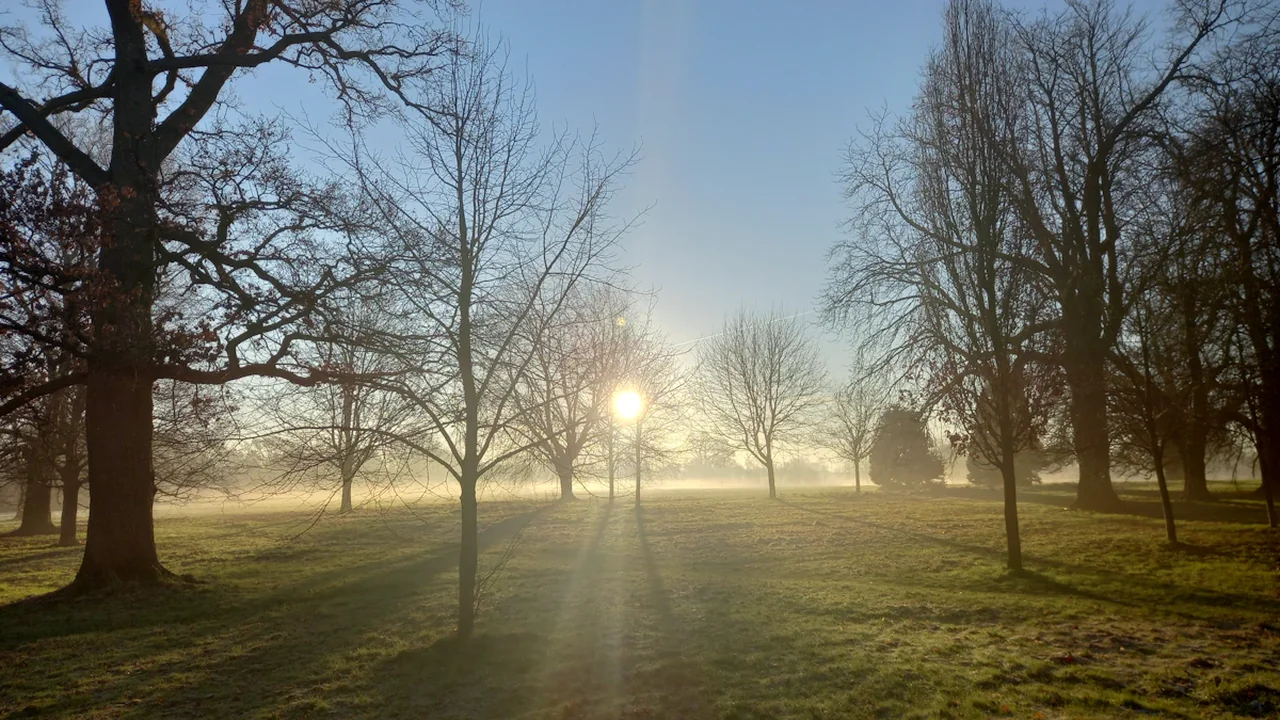
Getting outside in the morning can be a manageable way to give your daily routine a daylight cue as UK autumn mornings grow darker. It will not guarantee better sleep or lift low mood, but a short outdoor stop or walk can fit around commuting and working from home without requiring a major schedule change.
Why morning daylight can support a steady routine
Your circadian rhythm is the body’s roughly 24-hour timing system. Light and darkness are among the cues that help it align with the day. Outdoor light is generally brighter than typical indoor lighting, even when the sky is cloudy, so spending some time outside after waking may provide a stronger daytime light cue. For more guidance, see how morning daylight can support a workweek sleep routine.
The effect varies. The time you wake, your evening light exposure, work schedule, season and individual health all matter. Think of morning daylight as one useful part of a consistent routine, alongside regular wake times and enough time for sleep—not a treatment or a guaranteed fix. The practical aim is to create a repeatable cue that fits your day, rather than chase a particular result.
Read also: Use Morning Daylight to Steady Your Workweek Sleep Routine
Choose a routine that fits your working morning
Aim for a routine you can repeat on ordinary weekdays. There is no single required number of minutes for everyone, and weather or daylight timing may change what is practical. Choose an option that gets you outdoors safely and does not make the rest of your morning harder to manage.
If you commute: Walk part of the route, get off public transport a stop early if safe and practical, or spend a few minutes outside before entering the workplace. If you leave before sunrise, take a daylight break outdoors once it is light rather than trying to make a dark walk count as daylight exposure.
If you work from home: Step outside after waking, take a short walk around the block, or have breakfast near a window and go outdoors at the first convenient break. A window can brighten a room, but it is not the same as being outdoors. If stepping out first thing would disrupt your morning, attach the outing to a later break you can usually keep.

If mornings are tightly scheduled: Link going outside to something you already do, such as walking to the station, taking the bins out or getting a coffee. Even a brief, repeatable outing is more realistic than a demanding plan that lasts only a few days. If none of these options works on a particular morning, try again when the next convenient opportunity comes up.
Build a simple autumn daylight habit
- Pick a wake time you can keep most days, including weekends where possible.
- Check when it will be light at your usual waking time. If it is still dark, plan an outdoor break after sunrise.
- Choose one reliable cue: the school run, the walk to work or your first mid-morning break.
- Go outside for a comfortable amount of time. Walk if you like, or simply spend a few minutes outdoors.
- Keep the rest of your sleep routine steady: allow enough time for sleep and make evenings calmer if bright light or stimulating activities tend to keep you alert.
Treat the routine as an experiment in consistency, not a test you can fail. If rain, caring responsibilities or travel disrupt one morning, resume when you can. Avoid unsafe routes or delaying necessary tasks just to get outside. You can also reconsider the chosen cue if it repeatedly proves difficult to fit in; a routine only helps as a daily signal when it is practical to repeat.
What to expect—and what daylight cannot promise
Some people find a regular morning routine helps them feel more anchored to the day. That does not mean morning daylight will resolve insomnia, prevent seasonal depression or improve everyone’s mood. The evidence and individual responses do not support those promises. Notice whether the routine feels manageable and helps structure your morning, but do not treat that impression as proof that a sleep or mood problem has been solved.
Light timing can also be more complicated for people with shift work, unusual sleep schedules, certain eye conditions or medicines that increase sensitivity to light. If you have a health concern, ask a qualified healthcare professional whether a change in light exposure is suitable for you. Do not look directly at the sun.
When persistent sleep or mood problems need care
If sleep difficulties continue, affect daily life or leave you persistently exhausted, speak with a GP or another qualified healthcare professional. Seek support too if low mood persists, worsens or makes it hard to manage everyday activities. A daylight habit may sit alongside appropriate care, but it should not replace an assessment or treatment recommended for you.
Frequently Asked Questions
Why get outside in the morning when autumn days are darker?
Outdoor light is usually brighter than indoor lighting, even on cloudy mornings. A brief outdoor stop can give your body a daytime cue, though it does not guarantee better sleep or improve low mood. Think of it as one helpful part of a steady routine.
How can I fit morning daylight around an early commute or work-from-home schedule?
Choose a small step you can repeat: walk part of your commute, get off one stop early if the route is safe, or step outside before starting work at home. If you leave before sunrise, take an outdoor break once it is light. There is no required number of minutes; prioritize a safe, manageable routine.
Will a morning walk help everyone in the UK sleep better during autumn?
No. People respond differently, and wake time, evening light, work patterns, season and individual health can all affect sleep. Morning daylight may support a consistent daily rhythm, but it is not a treatment or a substitute for enough sleep and regular wake times.
What should I do if it is still dark when I wake up?
Keep your usual safe morning routine, then spend time outdoors once daylight arrives—for example, during a break or part of your commute. Check local sunrise times when planning, and avoid walking in unsafe conditions just to get outside.
Where can I find more guidance on building a morning daylight routine?
Start with the article’s guide to using morning daylight to support a workweek sleep routine. Adjust the suggestions to your schedule and circumstances; seek advice from a qualified health professional if sleep or low mood is a persistent concern.
Source: Editorial research




Comments