Burnham Says Turning Away From EU Would Be ‘Dereliction of Duty’
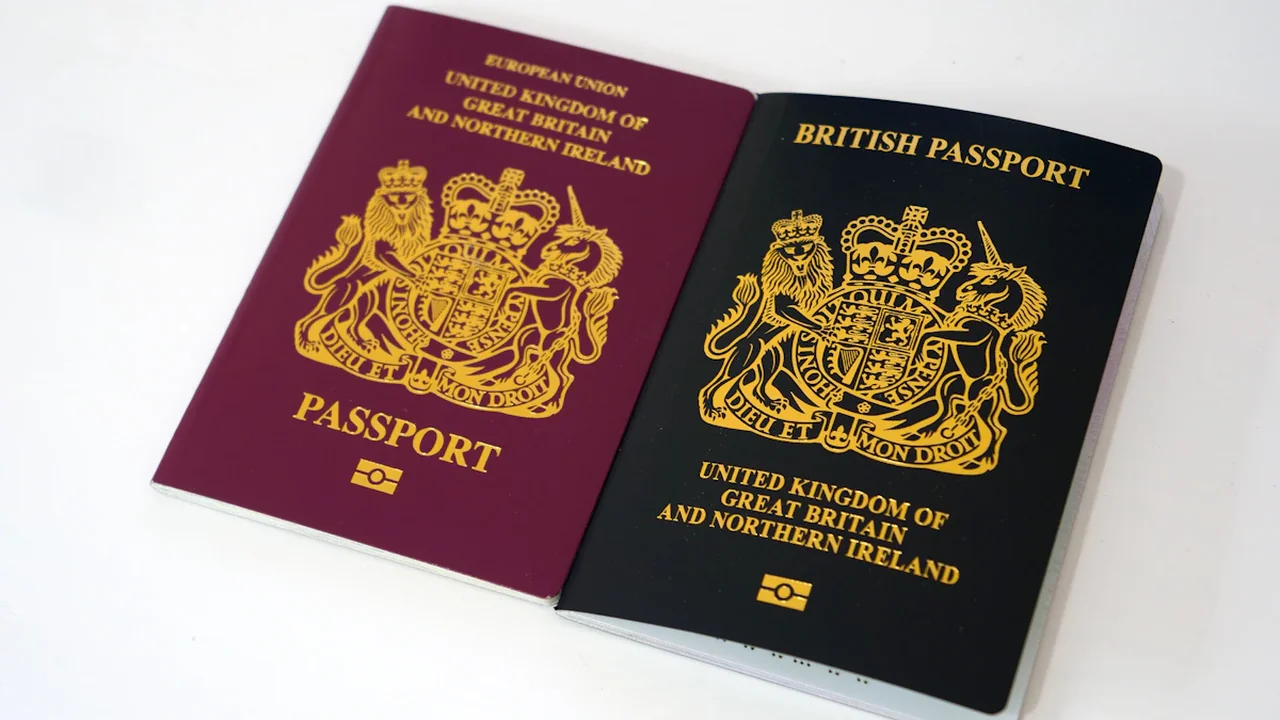
Andy Burnham has told MPs that turning away from the European Union would be a “dereliction of duty”, while a UK-EU summit is set for November, Sky News reported on 12 October. Businesses, travellers and people following EU policy now have a date to watch for signals about future relations, but no new deal or policy change has been announced. The next check is what the two sides put on the summit agenda and say afterward.
What Burnham told MPs about the UK and EU
Sky News reported that Burnham argued the UK should not turn its back on the EU and said he would work toward a new deal. The Guardian’s 12 October politics coverage also reported his remarks about the future relationship and his call for serious dialogue.
Those statements describe a political direction, not an agreement. The reports do not establish that negotiations have concluded, that specific terms have been accepted, or that current rules have changed. Any future deal would depend on what the UK and EU negotiate and the steps required to put it into effect.
What a November summit can—and cannot—settle
A summit brings political leaders together to discuss priorities, set direction and seek agreement on next steps. It can produce a joint statement, establish areas for further work or give officials a mandate to continue discussions. The announcement of a summit, by itself, does not change trade, travel or other arrangements.
The important details will be the agenda and any outcomes published after the meeting. Readers should look for named areas of cooperation, a timetable for follow-up and whether both sides describe the same commitments. General language about improving relations would signal intent, but would not show that a new agreement has been reached.
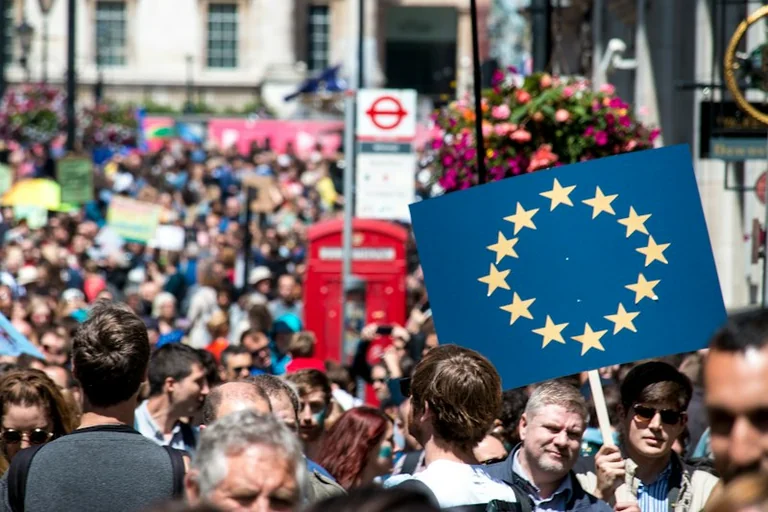
What businesses and travellers should watch next
For businesses that trade across the Channel, the practical question is whether later discussions address rules or processes that affect their operations. A political pledge alone is not a reason to assume that paperwork, standards or market access have changed. Companies should continue to follow the requirements currently in force and wait for formal announcements before changing plans.
Travellers should likewise distinguish summit news from changes to entry or travel arrangements. The reported November meeting does not, on its own, alter existing requirements. Any practical change would need to be set out clearly by the relevant authorities.
People tracking EU policy can focus on three developments:
- Whether the summit agenda identifies specific policy areas for discussion.
- Whether the UK and EU publish matching accounts of the meeting’s outcomes.
- Whether follow-up talks produce proposals, formal negotiations or a published agreement.
The next meaningful signal will come from the summit’s stated outcomes and any subsequent formal steps. Until then, Burnham’s remarks indicate his stated aim for closer engagement, while the details and consequences remain unresolved.
Source: Sky News
Context & actions About this article
Source check Reporting context
Sky News reported the remarks and November summit announcement; The Guardian also covered Burnham’s call for serious dialogue.
- Sky News report dated 12 October 2026
- The Guardian politics coverage dated 12 October 2026
- No concluded deal or policy change is established in the supplied reporting
- Source
- Sky News
- Scope
- United Kingdom
- Updated
- 2026-10-13 09:49
Source check
Report a trust issue
Send a clear signal to community moderation if the source, facts or context need review.



Comments