How to Compare Local Petrol and Diesel Prices in the UK
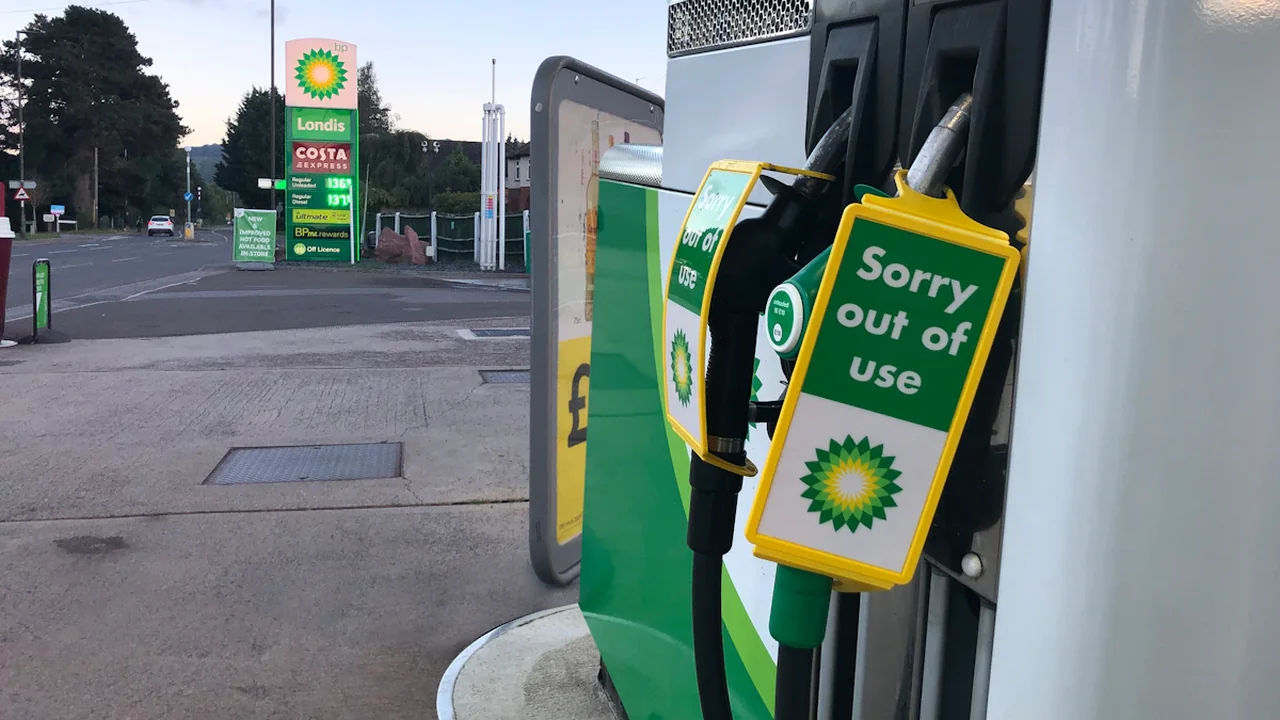
A lower pump price can cut the cost of a fill-up, but only if the saving is greater than the cost of reaching that forecourt. UK drivers can compare nearby petrol and diesel prices using local listings, then check when each figure was recorded and whether the extra distance makes the trip worthwhile.
Where to check local fuel prices
Start with a fuel-price comparison service or app that shows forecourts near your current location or along a planned route. Check that it lists the fuel type you need: petrol and diesel prices can differ, and a station may not have the grade or product your vehicle requires.
The Department for Energy Security and Net Zero publishes official UK road fuel price statistics. These are useful for understanding the wider market, but national statistics do not tell you the latest price at an individual pump. For a local decision, compare current forecourt listings and treat official statistics as broader context.
Before setting off, compare a small group of stations you could reach as part of your normal journey. A station beside your route may be a better choice than one with a lower listed price that requires a separate drive.
Work out whether a detour pays
Compare the fuel saving with the fuel used to reach the cheaper station. The saving depends on the price difference and the number of litres you plan to buy:
Saving at the pump = price difference per litre × litres purchased.
For example, if one station is 4 pence per litre cheaper and you buy 40 litres, the pump saving is £1.60. If the round trip to reach it adds 6 miles, the detour is worthwhile on fuel cost only if driving those miles costs less than £1.60 in fuel.
Estimate the extra fuel cost using your vehicle’s real-world efficiency, not just its official test figure. If your car averages 40 miles per imperial gallon, 6 extra miles use about 0.15 gallons, or 0.68 litres. Multiply that by the price per litre you expect to pay. In this example, the detour would use roughly 68p of fuel at £1 per litre, leaving about 92p of the original saving before considering time or other costs.
The calculation changes with the amount purchased. A small price gap may matter more when filling a large tank, while a partial top-up produces a smaller saving. If the cheaper station is already on your route, the additional distance may be close to zero.
Include your vehicle and journey
Fuel economy varies with traffic, speed, load, weather and driving style. Stop-start urban roads can use more fuel than a steady trip, so a simple miles-per-gallon estimate is only a guide. Use your own recent consumption where possible and count the extra distance in both directions if you must return to your original route.
Also consider whether the alternative station is convenient and open when you arrive. A queue, a closed forecourt or a price that has changed can erase a modest saving. If you are already travelling, avoid making a special trip solely for a small price difference unless your calculation still shows a clear benefit.
Check the timestamp and price context
Fuel listings can become outdated as forecourt prices change. Look for the reported or updated time and favour recent entries. If a listing has no timestamp, appears old or differs from a price you have seen at the station, verify it before relying on it.
Compare like with like: the same fuel type, the same unit and, where relevant, the same grade. A displayed price may be submitted by a user, collected from a retailer or drawn from another data source; check how the service describes its figures. Prices can also vary between stations belonging to the same brand.
The Competition and Markets Authority monitors the UK road fuel market, while the Department for Energy Security and Net Zero provides official road fuel price statistics. These sources help with market context; neither should be treated as confirmation of a particular station’s live pump price unless the information specifically covers that forecourt and date.
A quick comparison before you fill up
- Find recent prices for the fuel type your vehicle uses.
- Compare stations near your route, not just the lowest price on a map.
- Note each listing’s timestamp and verify an old or unclear figure.
- Multiply the per-litre difference by the litres you expect to buy.
- Estimate the fuel used for the full extra journey and subtract its cost.
The useful next check is the station’s latest local listing, followed by the price displayed at the pump when you arrive. If the price gap is small, choosing a convenient forecourt may save more than driving out of your way.
Source: Department for Energy Security and Net Zero
Context & actions About this article
Source check Price-checking method
This guide uses official UK road fuel statistics for market context and explains how to compare timestamped local listings with the cost of a detour.
- Check the listing time before relying on a local price.
- Compare the same fuel type and grade.
- Calculate the saving for the litres you plan to buy.
- Count the full extra journey when estimating detour fuel.
- Source
- Department for Energy Security and Net Zero
- Scope
- United Kingdom
- Updated
- 2026-10-09 08:24
Source check
Report a trust issue
Send a clear signal to community moderation if the source, facts or context need review.


Comments