How to Compare Petrol and Diesel Prices Before a UK Journey
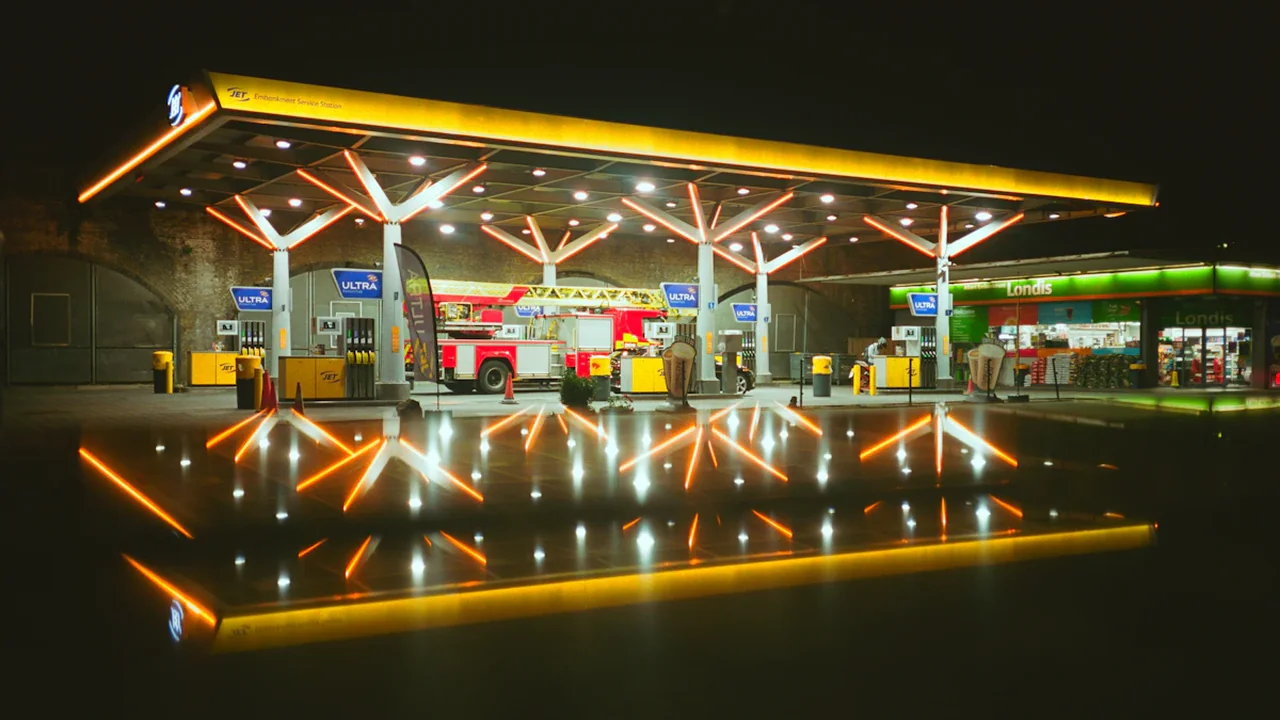
Planning fuel costs before you set off means checking prices near your route, estimating how much fuel your vehicle will use, and allowing for any detour to a cheaper pump. Petrol and diesel prices vary by location, station and date, so use current local information rather than an undated national figure.
Where to check current UK fuel prices
Start with the Competition and Markets Authority’s road fuel prices guidance, which provides information about UK fuel prices. You can also consult RAC Fuel Watch for information and analysis on petrol and diesel prices.
Use these resources to understand the market, then compare the individual stations that are practical for your journey. Prices can differ between nearby forecourts and may change after you check them. Confirm the price directly through a current listing or with the station before making a special trip.
When comparing options, check:
- The price per litre for the fuel your vehicle uses.
- Whether the station is close to your route or requires a detour.
- When the price information was last updated.
- Whether you will have enough fuel to reach the station comfortably.
A low price is useful only if the station is open, has the fuel you need and is accessible when you pass. Avoid relying on an old screenshot or a price with no visible date.
Estimate the fuel your journey will use
For a vehicle rated in miles per UK gallon (mpg), estimate litres used by dividing the journey distance by the vehicle’s mpg, then multiplying by 4.546 litres per UK gallon. To estimate the cost, multiply the litres used by the current price per litre.
Estimated fuel cost = (distance in miles ÷ mpg × 4.546) × price per litre
Use the vehicle’s real-world efficiency where possible. The official or advertised mpg figure may not match your usual driving. Traffic, speed, passengers, luggage, weather and driving style can all affect consumption. If you mainly drive in town, a long-distance efficiency figure may overstate how far a tank will take you.
For a round trip, include the return distance. If the route includes separate legs with different conditions, estimate them individually and add the results. Treat the answer as a planning estimate: changes in traffic, route or pump price can alter the final amount.
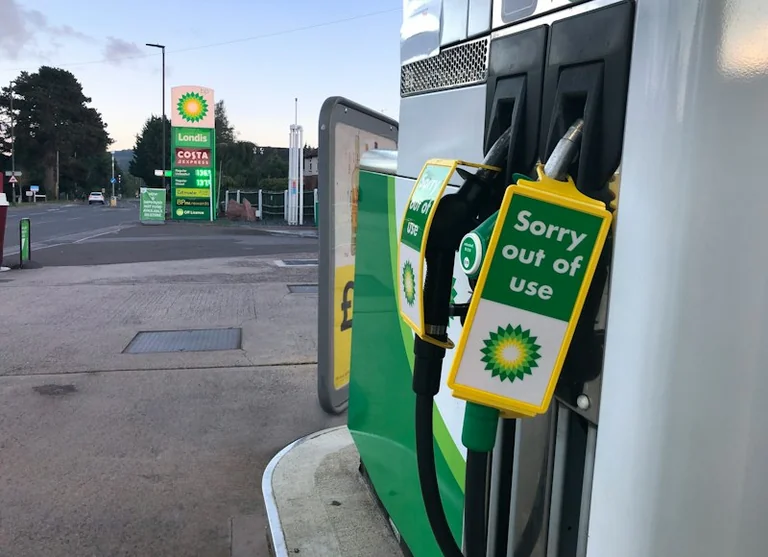
Worked example: turn a pump price into a trip estimate
Suppose a one-way journey is 120 miles, your vehicle averages 40 mpg, and the current price at a convenient station is £1.50 per litre. The estimate is:
- 120 ÷ 40 = 3 UK gallons.
- 3 × 4.546 = about 13.64 litres.
- 13.64 × £1.50 = about £20.46 for the one-way trip.
For a return journey of the same distance, the simple estimate would be about £40.92, assuming the same route, efficiency and fuel price. Your actual cost may differ, especially if traffic slows the journey or the vehicle’s real-world mpg is lower.
Check whether a cheaper station is worth the detour
Compare the saving on the fuel you expect to buy with the extra distance to reach the station. A cheaper price per litre does not automatically make the whole journey cheaper: driving out of your way uses fuel too.
Estimate the detour using the same method. For example, if a station adds 10 miles and your vehicle averages 40 mpg, that extra distance uses about 1.14 litres. At £1.50 per litre, it costs roughly £1.70 in fuel. If the price difference saves less than that on the amount you plan to buy, the detour is unlikely to reduce your fuel bill.
The comparison depends on how much fuel you buy. A small price advantage may be worthwhile when filling a large tank, but not when topping up a few litres. Include extra time and any additional road charges in your decision, too.
Make a final check before you leave
Use a route planner to identify stations close to your planned roads, then check their current prices and access. Recheck shortly before departure if the trip is later in the day or the price listing may have changed.
For a useful estimate, use the distance you will actually drive, a realistic mpg figure for your vehicle and the station’s current price per litre. Compare the cost of a convenient stop with the cost of reaching a cheaper one. The best choice is the option that fits your route and fuel needs, not simply the lowest number on a price listing.
Source: UK Government
Context & actions About this article
Source check How the estimate works
The trip estimate converts UK miles per gallon into litres and uses a current local price per litre; actual consumption and prices can vary.
- Check the fuel price and the date it was listed.
- Use your vehicle’s real-world miles per gallon.
- Include the full route and any station detour.
- Source
- Competition and Markets Authority road fuel prices guidance
- Scope
- United Kingdom
- Updated
- 2026-10-26 11:23
Source check
Report a trust issue
Send a clear signal to community moderation if the source, facts or context need review.


Comments