How to Compare UK Petrol Prices and Journey Fuel Costs
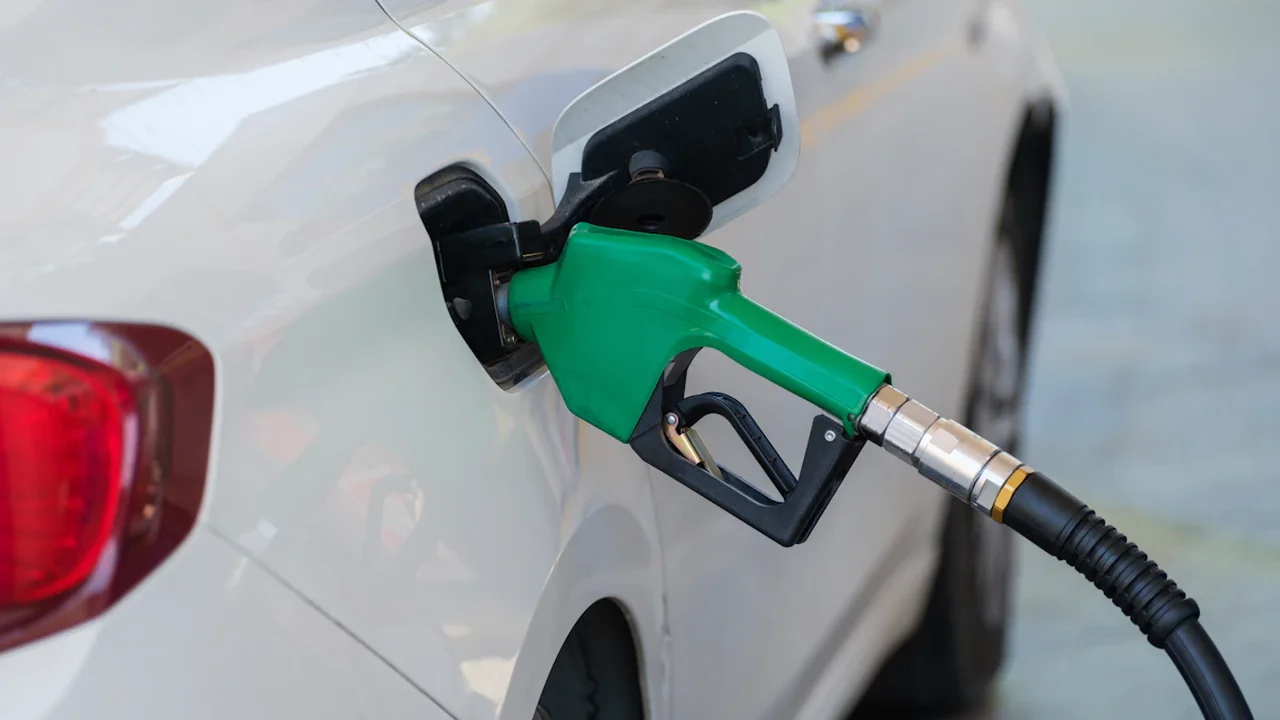
A useful journey estimate combines the distance you plan to drive, your car’s real-world fuel economy and a current local pump price. Compare petrol or diesel prices near your route, check when and where each price was recorded, then use a simple calculation to estimate the fuel portion of the trip.
Check local petrol and diesel prices
The Competition and Markets Authority (CMA) provides fuel-finder resources to help drivers compare local pump prices. Search around your starting point, destination or route, and make sure you are comparing the same fuel type: petrol prices should be compared with petrol, and diesel with diesel.
A listed price is a snapshot, not a promise that the pump will charge the same amount when you arrive. Check the price’s location and timestamp, and confirm the station’s current price before making a detour. A small price difference may not offset extra miles, time or fuel used to reach a cheaper station.
The Department for Energy Security and Net Zero also publishes UK road fuel price statistics. These government statistics provide broader context on fuel prices; they are different from a live, station-by-station check. View the UK road fuel price statistics collection.
Estimate how many litres the journey needs
Start with the distance in miles and your vehicle’s fuel economy in miles per gallon (mpg). For UK calculations, use the imperial gallon, which is 4.546 litres:
Litres needed = journey miles ÷ miles per gallon × 4.546
For example, a 120-mile journey in a car averaging 40 mpg is estimated to use about 13.6 litres: 120 ÷ 40 × 4.546 = 13.64 litres. Treat this as a planning estimate, not a precise prediction of what the trip will use.
Use a realistic mpg figure for your own vehicle and driving. The official figure in a brochure or dashboard display may differ from the average you achieve on similar journeys. If you are unsure, compare a few recent trips or use the vehicle’s displayed average as a starting point.
Multiply litres by the pump price
Fuel prices are usually displayed in pence per litre. Convert that figure to pounds before multiplying: 145p per litre is £1.45 per litre.
Estimated fuel cost = litres needed × price per litre in pounds
At £1.45 per litre, the example’s estimated fuel cost is 13.64 × £1.45, or about £19.78. If a route has several likely stops, calculate the estimate using the price at each stop and the distance needed to reach it. A lower advertised price might not make the whole journey cheaper if reaching that station adds a substantial detour.
Allow for traffic, route and driving conditions
Actual fuel use changes with traffic, the route, vehicle condition and driving style. Stop-start congestion, hills, high speeds, cold starts, heavy loads, tyre condition and carrying unnecessary weight can all affect consumption. A journey with the same mileage can therefore cost more or less than the estimate.
A route planner’s mileage is another estimate. Check whether it includes the roads you intend to take, and consider likely delays or planned stops. For a round trip, include the return distance and any extra driving at the destination. Add a margin if timing, traffic or detours could materially change the journey.
Compare the whole trip with other options
Fuel is only one part of travel cost. Depending on the trip, you may also want to compare parking, tolls, fares, transfers and the time involved. Public transport, car-sharing or combining errands into one trip may reduce some costs, but none is automatically cheaper or more convenient for every journey.
For a fair comparison, use the same start and end points and include the practical details that matter to you: how many people are travelling, whether a car is needed at the destination, and the cost of getting to and from a station. If several people share a car, divide the estimated fuel cost among them only if that reflects the arrangement.
Before leaving, check the latest price and timestamp for the station you intend to use, confirm the route and distance, and recalculate if either has changed. That gives you a more useful estimate than relying on a single pump price or a best-case mpg figure.
Source: Department for Energy Security and Net Zero, GOV.UK
Context & actions About this article
Source check How the estimate works
The calculation uses journey miles, miles per gallon and a checked price per litre; actual fuel use and pump prices can vary.
- Check the fuel type, station location and listed price time.
- Use a realistic mpg figure for your vehicle and journey.
- Include detours and return miles when relevant.
- Source
- Department for Energy Security and Net Zero: UK road fuel price statis...
- Scope
- United Kingdom
- Updated
- 2026-10-10 09:08
Source check
Report a trust issue
Send a clear signal to community moderation if the source, facts or context need review.

Comments