UK Energy Bills: Check Your Tariff and Meter Reading in October

UK households can use the start of October to check their energy tariff, unit rates, standing charges and latest meter reading. No new price-cap rate taking effect today is confirmed here, so check Ofgem’s current price-cap period before comparing your bill.
What Ofgem’s price cap covers
Ofgem’s energy price cap limits the rates suppliers can charge on standard variable tariffs. It sets maximum unit rates and standing charges, with rates varying by region, payment method and how energy is used. It does not set one fixed bill for every household.
Your bill depends on your actual energy use, the rates on your tariff and the period covered. A household using more energy can pay more even when its rates are within the cap. The cap also does not necessarily apply to every fixed tariff in the same way.
Check these details on your bill
Compare the information on your latest bill or supplier account with your tariff details:
- Tariff type: Check whether you are on a standard variable or fixed tariff, and note any end date for a fixed deal.
- Unit rates: Find the price per kilowatt-hour for electricity and gas, if you use both. Check whether your tariff has different rates by time of day.
- Standing charges: These daily charges apply even when you use little or no energy. Compare the electricity and gas charges separately where relevant.
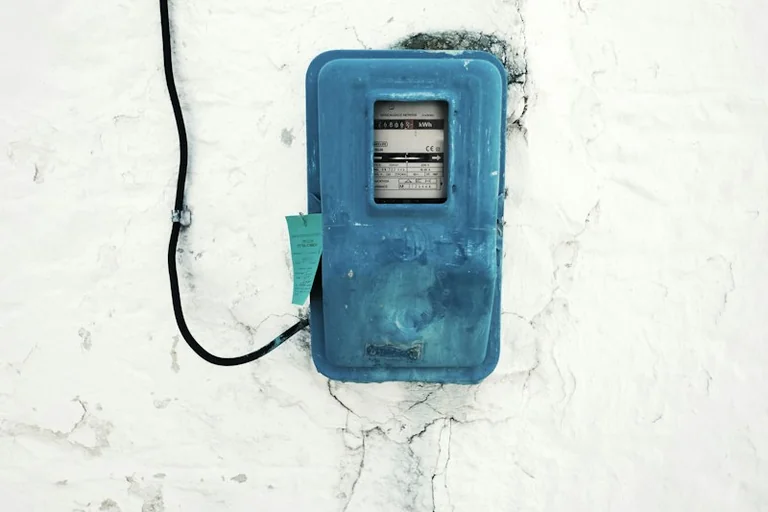
- Meter reading: Submit a current reading if you have a meter that is not read automatically. This can help your supplier distinguish actual use from an estimate.
If you have a smart meter, check whether it is sending readings and whether your bill is based on actual or estimated use. For a traditional meter, follow your supplier’s instructions for submitting a reading and keep a record of the date and figures.
Use Ofgem’s current rates for a fair comparison
Ofgem publishes the cap rates and explains which tariffs they apply to. Check the page for the current period and compare like with like: region, payment method, fuel and any time-of-use rates can affect the figures. Do not assume a rate changed on 1 October unless the current Ofgem information or your supplier confirms it.
If your bill seems inconsistent, check the dates it covers, the readings shown and the rates listed. Ask your supplier to explain any estimated reading or tariff change you do not recognise. A comparison using your own consumption and tariff details will be more useful than comparing your total bill with a headline cap figure.
Source: Ofgem
Context & actions About this article
Source check Source
Ofgem explains how the energy price cap applies to standard variable tariffs and publishes the applicable rates.
- Check Ofgem’s current cap period and rates
- Compare your tariff type, unit rates and standing charges
- Check whether your latest bill uses an actual or estimated meter reading
- Source
- Ofgem
- Scope
- United Kingdom
- Updated
- 2026-10-09 10:45
Source check
Report a trust issue
Send a clear signal to community moderation if the source, facts or context need review.



Comments