UK petrol averages 175.28p as diesel reaches 200.04p
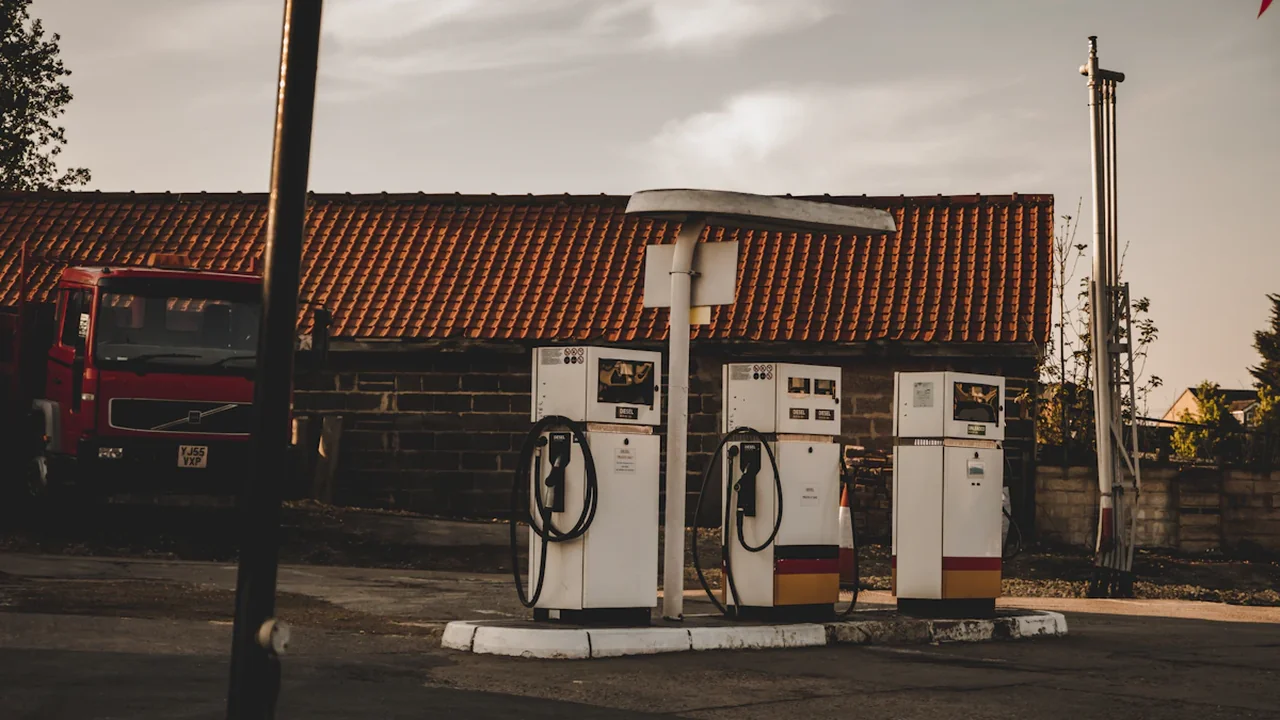
UK drivers planning a long autumn journey can use the latest national figures as a starting point: average unleaded petrol was 175.28p per litre and diesel was 200.04p for the week beginning 12 October 2026. The Department for Energy Security and Net Zero published the figures on 13 October; nearby forecourt prices may differ, so check local prices before choosing a stop.
Latest UK petrol and diesel averages
The government’s weekly road-fuel series reports average UK retail pump prices. Its latest entry, for the week beginning 12 October 2026, puts unleaded petrol at 175.28p a litre and unleaded diesel at 200.04p. The figures are national averages, not a live price feed for individual stations.
| Fuel | UK average price per litre | Week beginning |
|---|---|---|
| Unleaded petrol | 175.28p | 12 October 2026 |
| Unleaded diesel | 200.04p | 12 October 2026 |
The dataset is published by the Department for Energy Security and Net Zero. The official weekly road-fuel prices page was last updated on 13 October 2026 and links to the downloadable series. Check the page again close to departure because the figures are updated weekly.
Read also: How to Compare UK Petrol and Diesel Prices Near You
Why a national average is not a station quote
The average gives a useful benchmark for estimating fuel spend and comparing one week with another. It does not tell you what a particular station charges today, or guarantee that you will find that price on your route.
Pump prices can vary by station, region, fuel grade and time. Prices may also change after the weekly data is compiled. A comparison tool or station listing can help you find nearby options, but confirm the displayed price and fuel type before relying on it.
Use like-for-like comparisons: compare unleaded with unleaded or diesel with diesel, and check that the grade suits your vehicle. A cheaper listed price may not help if it is for a different fuel or requires a long diversion.
Compare nearby stations and account for the detour
Start with stations close to your route, including a convenient stop you would use anyway. Note the price, the extra distance needed to leave and rejoin your route, and how many litres you expect to buy. Then compare the saving on those litres with the added driving cost.
A simple calculation is:
- Fuel-price saving: litres bought × price difference per litre.
- Detour fuel cost: extra miles ÷ your car’s miles per gallon × price per litre, converted to gallons and pounds.
- Net saving: fuel-price saving minus detour fuel cost.
For a quick estimate in metric units, convert the car’s consumption to litres per 100km, estimate the fuel used on the extra distance, then multiply those litres by the price per litre. Include a return leg if the diversion takes you away from the route and back again. You can also factor in extra time if that matters to your journey.
Hypothetical detour example
Suppose a driver plans to buy 40 litres and finds a station 5p per litre cheaper than a convenient alternative. That is a potential saving of £2 on the fuel purchased. If reaching it adds 10 miles, and the car uses an illustrative 40 miles per UK gallon, the detour uses about 1.14 litres. At a hypothetical fuel price of £1.75 per litre, that extra driving costs about £2.00 in fuel.
On those clearly hypothetical figures, the detour would use up the price saving before allowing for time or any further mileage. With fewer extra miles, a larger price gap or a bigger fill, the result could change. Substitute your route, vehicle consumption, local prices and planned litres to judge whether the stop is worthwhile.
Before setting off, compare current prices near your route, check the latest government weekly average for context, and recalculate if your planned stop or fuel quantity changes.
Source: Department for Energy Security and Net Zero
Context & actions About this article
Source check Data and method
Prices are the government’s UK averages for the week beginning 12 October 2026; the detour example uses hypothetical figures.
- Check the latest weekly figures on GOV.UK
- Confirm the local station price and fuel grade
- Include all extra route miles in the detour estimate
- Source
- Department for Energy Security and Net Zero
- Scope
- United Kingdom
- Updated
- 2026-10-15 07:49
Source check
Report a trust issue
Send a clear signal to community moderation if the source, facts or context need review.


Comments