Why the UK Turns Its Clocks Back Each October
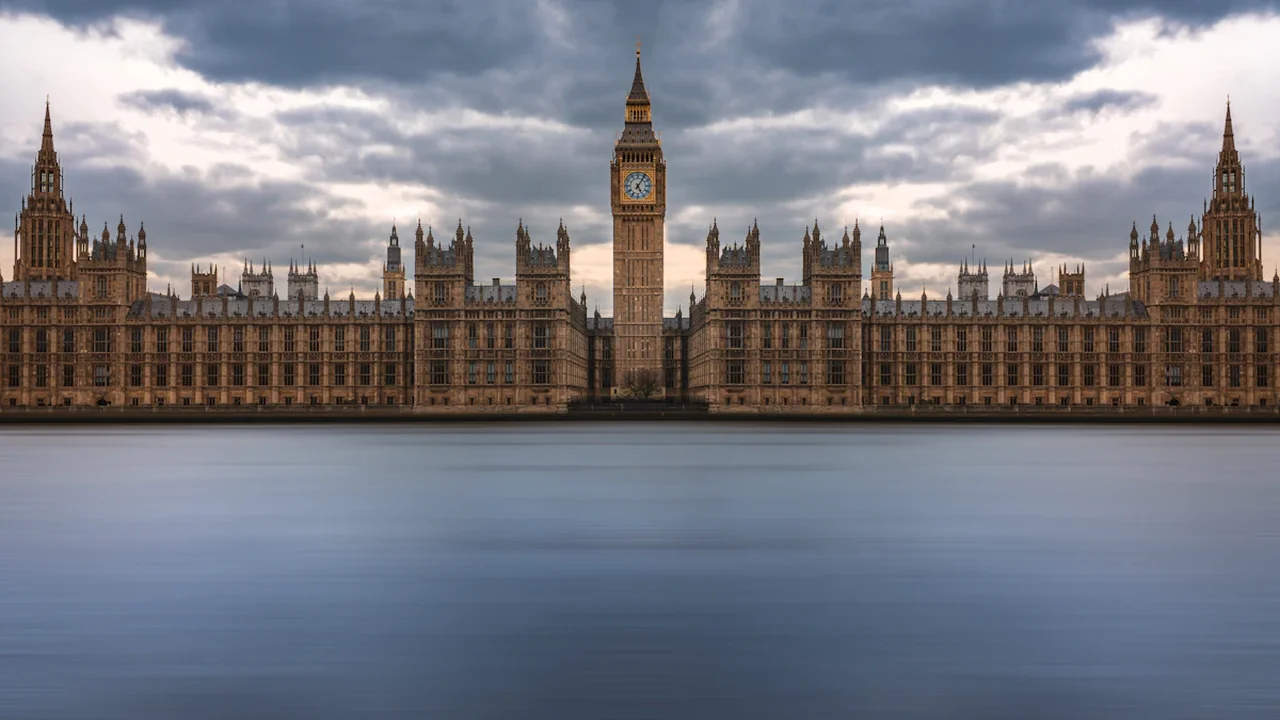
At 2am on Sunday 25 October 2026, clocks across the UK go back one hour to 1am, marking the end of British Summer Time (BST) and the return to Greenwich Mean Time (GMT). The change gives mornings more daylight by shifting the clock, while the sun sets earlier by the clock in the evening. The seasonal arrangement rests on law, but its history is wider than any one proposal or reason.
What changes when BST ends in 2026
The autumn clock change happens at 2am on the last Sunday in October. In 2026, that is 25 October: the time moves back to 1am, so the hour between 1am and 2am occurs twice. The UK Government’s clock-change guidance describes this as the return to GMT when BST ends.
The change applies across the United Kingdom. It is the reverse of the spring change, when clocks move forward one hour and the UK begins observing BST. Together, the two changes create the familiar cycle of a lighter clock-time evening in summer and earlier clock-time sunrise in winter.
Why the clocks change the pattern of daylight
Moving the clocks does not change the amount of daylight available. It changes how daylight lines up with the hours people use to organise work, school and daily activities. After the autumn change, sunrise and sunset both occur an hour earlier according to the clock than they did the day before.
That means more daylight tends to fall in the morning hours, while evenings become darker earlier by the clock. The effect is easiest to notice in the first days after the change: a morning journey may feel brighter, while the late afternoon light disappears sooner. Actual sunrise and sunset times vary with location and date.
A longer history than one proposal
The seasonal clock system developed from broader discussions about how to organise time and make better use of daylight. It is often associated with efforts to align daylight with ordinary working hours, but the history should not be reduced to a single person or a single motive. Ideas about adjusting clocks circulated before the modern UK system took shape, and practical, social and economic arguments have all featured in debates over seasonal time.
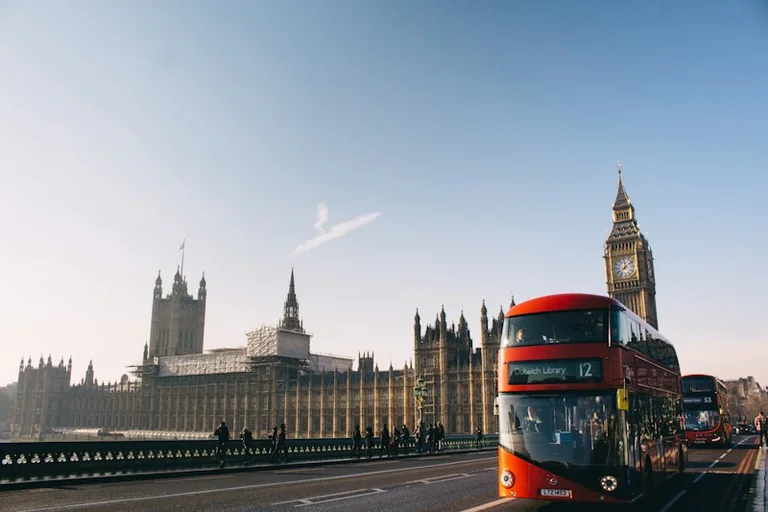
British Summer Time became an established convention through legislation and repeated public use. The dates of the changes make the arrangement visible twice a year, but the underlying idea is a calendar rule: for part of the year, clocks use a time one hour ahead of GMT; for the rest, they return to GMT.
The Summer Time Act 1972 provides the legal framework
The Summer Time Act 1972 sets out the statutory basis relating to summer time in Great Britain. It is the current legal framework identified for the seasonal arrangement. The Act gives the system a basis in law; it should not be mistaken for the whole history of how daylight-saving ideas arose or became part of everyday life.
The Government’s practical guidance explains what people need to do when the change takes place: when BST ends, clocks go back one hour and the UK returns to GMT. The Act and the guidance answer different questions. One establishes the statutory framework for Great Britain; the other tells the public how the clock change works in practice.
What the autumn change means in everyday life
Most internet-connected phones, computers and other devices update automatically, but clocks that are set by hand may need changing. The repeated hour can also affect schedules overnight, so people with early travel, shifts or appointments on 25 October should check the time shown by the relevant service or organiser.
For everyday routines, the main trade-off is straightforward: mornings gain an hour of clock-time daylight, and evenings lose one. The change does not create extra daylight or alter the seasons. It shifts the clock against the daylight available, with the UK staying on GMT through the winter until BST begins again in spring.
Source: legislation.gov.uk
Context & actions About this article
Source check Sources and context
The explanation uses the Summer Time Act 1972 for the legal framework and UK Government guidance for the clock change.
- The 2026 autumn change date and time
- The return to GMT when BST ends
- The Act’s statutory role in Great Britain
- Source
- UK Government
- Scope
- United Kingdom
- Updated
- 2026-10-25 09:50
Source check
Report a trust issue
Send a clear signal to community moderation if the source, facts or context need review.


Comments