Will the Bank of England Cut Rates Before 2027?
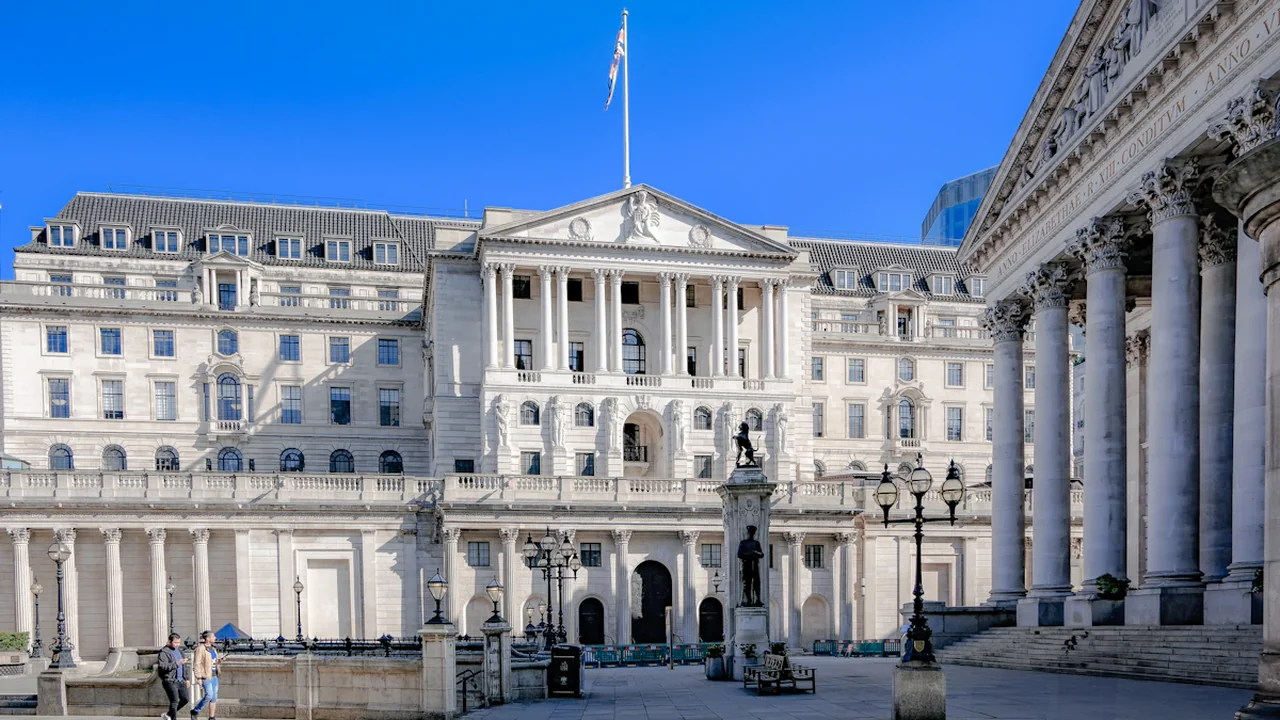
The Bank of England’s Monetary Policy Committee (MPC) sets Bank Rate, and the Bank publishes each policy decision. The forecast is whether the MPC announces at least one cut between 24 October and 31 December 2026. The outcome is still uncertain: it will depend on inflation and other economic data published before the deadline. For mortgage borrowers, any cut could have different effects depending on the type of deal they hold.
The rate-cut forecast and its deadline
- Question: Will the MPC announce a reduction in Bank Rate between 24 October and 31 December 2026?
- YES: An official MPC decision during that period sets Bank Rate below its previous level.
- NO: No such reduction is announced by the end of 31 December 2026.
- Check the outcome: The Bank’s monetary policy decisions and historical Bank Rate database record the relevant announcements and changes.
The forecast concerns an official decision within the stated dates. A prediction, press report or expectation of a cut does not settle it. Nor does a change outside the period count toward the outcome.
What the Bank of England has confirmed
The MPC is responsible for setting monetary policy, including Bank Rate, and the Bank publishes its policy decisions. Its historical database records Bank Rate changes, providing a way to check whether a reduction occurred during the forecast window.
Read also: Will the Bank of England Cut Bank Rate on 17 December 2026?
Those records establish who makes the decision and how the result can be checked. They do not establish what the MPC will decide in late 2026. The decision will depend on economic information available at the time, especially whether inflation is moving in a way that supports a change in policy.
The next scheduled MPC decision is the next public milestone for following the rate outlook. The decision calendar, alongside the latest published inflation and economic data, can show what information policymakers have to weigh. The forecast remains open until the specified period ends, however, and no single data release guarantees a cut.
Why inflation and economic data matter
Bank Rate is one of the MPC’s main tools for influencing monetary conditions. A decision to cut or hold it is made in light of the outlook for inflation and the wider economy. If incoming data point to persistent inflation, policymakers may judge that rates need to remain higher for longer. If inflation pressures ease and economic conditions weaken, a reduction may become more plausible, but it is not automatic.
The relevant evidence is cumulative. A monthly inflation figure can move the outlook, but the MPC also considers other economic information and how conditions are evolving. A forecast made before those releases is therefore exposed to change as the evidence develops.
For a date-specific forecast, the distinction between published information and a future decision matters. The latest available data can help explain the debate; only the MPC’s official decision within the deadline determines whether the forecast resolves YES.

How a cut could reach mortgage borrowers
A Bank Rate reduction would not make every mortgage payment fall immediately. The effect depends on the mortgage contract, the lender’s terms and when the borrower’s rate can change.
- Tracker mortgages usually move in line with Bank Rate under a stated margin, so a cut may reduce the rate and payment according to the deal’s terms. Check the tracker’s reference rate, adjustment date and any floor.
- Standard variable rate mortgages are set by the lender. A lender may change its rate after a Bank Rate move, but the change and timing are not automatic for every borrower.
- Fixed-rate mortgages keep the agreed rate for the fixed period. A Bank Rate cut does not usually change the payment during that period. It may affect the range of deals available when a borrower remortgages, but future offers depend on lenders’ pricing and market conditions.
A borrower approaching the end of a fixed deal should check the expiry date and speak to their lender or adviser about available options. Those with a variable or tracker deal can review the mortgage terms and lender notices to see how changes are applied. A headline about a rate cut alone does not reveal the payment change for an individual household.
What would make the forecast resolve YES or NO?
The Bank’s published policy decision is the primary evidence for the outcome. The historical Bank Rate database can then be used to verify the level and timing of the rate change.
The forecast resolves YES if an official MPC decision announced from 24 October through 31 December 2026 reduces Bank Rate from its previous level. It resolves NO if no such reduction is announced during that period. A hold, an increase, or a cut announced before the window does not meet the YES condition.
The stated window is based on the date of the official decision. It does not depend on when a lender changes an individual mortgage rate or when a borrower first sees a payment change. Those are separate events governed by mortgage terms and lender processes.
What UK borrowers should check next
Watch for the next scheduled MPC decision and the latest published inflation and economic data around it. These can clarify the factors facing policymakers, but they cannot settle a forecast whose deadline is still in the future.
If a cut is announced before the end of 2026, check the Bank’s decision record and Bank Rate database to confirm it falls within the window. If you are planning a household budget, check your mortgage offer or current terms directly with your lender: the type of deal and its adjustment rules determine what any policy change means for your payments.
Source: Bank of England
Context & actions About this article
Source check How the forecast is checked
The MPC decision record and Bank Rate database can verify whether a cut was announced during the forecast period.
- Check the date and outcome of the MPC decision.
- Confirm the previous and new Bank Rate in the historical database.
- Use the dates 24 October to 31 December 2026 for the forecast window.
- Source
- Bank of England monetary policy
- Scope
- United Kingdom
- Updated
- 2026-10-28 10:52
Source check
Report a trust issue
Send a clear signal to community moderation if the source, facts or context need review.



Comments