How Middle East Shipping Risks Could Reach UK Fuel Prices
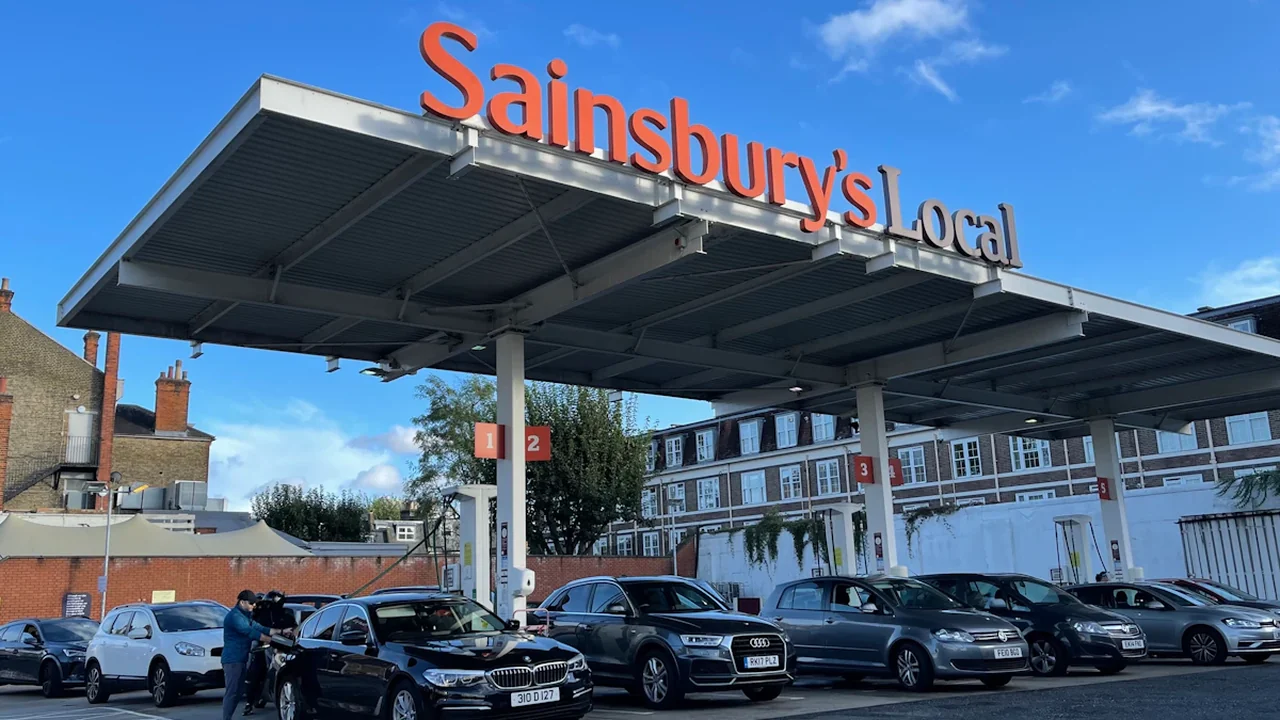
A disruption to major Middle East shipping routes could raise the cost of moving oil and other goods, but it would not automatically mean higher UK pump prices or delivery charges. The effect would depend on how much shipping was affected, for how long, broader energy markets, and how businesses and retailers passed on costs. UK drivers and shoppers can compare current local prices before assuming a global risk has changed their bills.
How shipping disruption can affect costs
Oil travels by sea from producing regions to refineries and trading hubs. If a route becomes harder or riskier to use, ships may face delays, take longer alternative routes, or incur higher insurance and operating costs. Carriers may also adjust freight rates to reflect limited capacity or increased risk.
Those costs can feed into the price of transporting oil and refined fuel. The International Energy Agency’s Oil Market Report provides context on global oil supply, demand and market conditions. A shipping risk is one factor in that wider picture; it does not, by itself, show that oil supply has fallen or that prices have risen.
Read also: How to Compare UK Fuel Prices Before a Long Drive
The possible path to a UK household bill is indirect:
- Shipping risk may increase insurance, fuel or freight costs for some journeys.
- Longer journeys or delays can affect the availability and cost of moving cargo.
- Oil-market prices and refinery costs may respond, depending on the scale of any supply or transport constraint.
- Fuel suppliers, hauliers, retailers and delivery firms decide how and when to pass through their own costs.
Each link can weaken or delay the effect. A company may absorb some costs, use existing contracts, switch routes or draw on stored supplies. Other factors, including currency movements, taxes, wholesale prices and local competition, also shape what UK customers pay.
Why UK pump prices may not move in step with shipping costs
The price displayed at a UK forecourt reflects more than the cost of crude oil. It also includes the cost of refining and distributing fuel, fuel duty and VAT, as well as retailer operating costs and pricing decisions. Changes in one input do not translate into a fixed or immediate change at the pump.
The UK government publishes weekly road fuel price data, which can help show how average petrol and diesel prices have changed over time. Those national figures are useful for comparison, but they do not establish why a change occurred or tell drivers the price at a particular station. They should be read alongside the date and the measure reported.
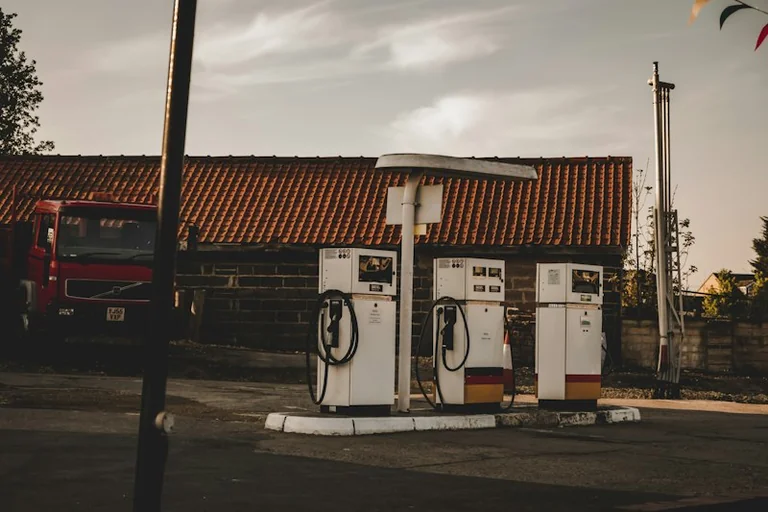
A global shipping concern could therefore have little visible effect on UK pump prices, or its effect could appear after a delay. The outcome depends on whether transport costs materially affect oil or fuel markets and how those costs interact with other price pressures.
How to compare local fuel and delivery costs
For a useful local comparison, check prices close to the time and place you plan to buy or book. A national weekly average is a benchmark, not a quote for your next journey or parcel.
- Compare nearby forecourt prices for the same fuel type, and check the date the price was recorded.
- Use the government’s weekly road fuel price series to put a current national figure in context against previous weeks.
- For a delivery, compare the final checkout price for the same item, delivery speed and address. Include handling charges and any minimum-order threshold.
- Check whether a delivery fee changes by postcode, basket size, service level or time slot.
- Recheck before making a decision: prices and offers can change independently of shipping costs.
These checks help separate a broad market trend from the price a particular retailer is charging. If a delivery company or shop changes its fee, its published price or checkout page is the relevant evidence for that service.
What remains uncertain when a route is at risk
The scale and duration of any disruption matter. A short delay affecting a limited number of ships could have a different effect from a prolonged constraint that changes available capacity or forces widespread rerouting. The route itself also matters: not every shipment of oil or consumer goods uses the same corridor.
Market conditions can amplify or cushion transport pressures. Available supply, demand, inventories, alternative routes, contracts and exchange rates all influence the result. Retailers then make their own decisions about prices, so there is no reliable one-to-one formula connecting a shipping-cost increase with a UK fuel or delivery charge.
The IEA’s oil-market reporting and the government’s weekly fuel-price data answer different questions: the first helps readers follow global energy conditions, while the second offers a domestic price comparison. Together they provide context, but neither alone proves that a specific shipping event caused a specific change at a UK forecourt or checkout. Check the latest dated report and local prices before drawing that conclusion.
Source: Iea
Context & actions About this article
Source check Sources and context
The International Energy Agency tracks global oil-market conditions, while UK government data provides a weekly domestic road fuel price comparison.
- Compare dated IEA oil-market reporting with the latest available market context.
- Check the week and measure shown in the UK government road fuel price data.
- Compare local forecourt prices and delivery checkout totals directly.
- Source
- International Energy Agency Oil Market Report
- Scope
- United Kingdom
- Updated
- 2026-10-30 09:57
Source check
Report a trust issue
Send a clear signal to community moderation if the source, facts or context need review.




Comments