How the Battle of Hastings Changed England After 14 October 1066
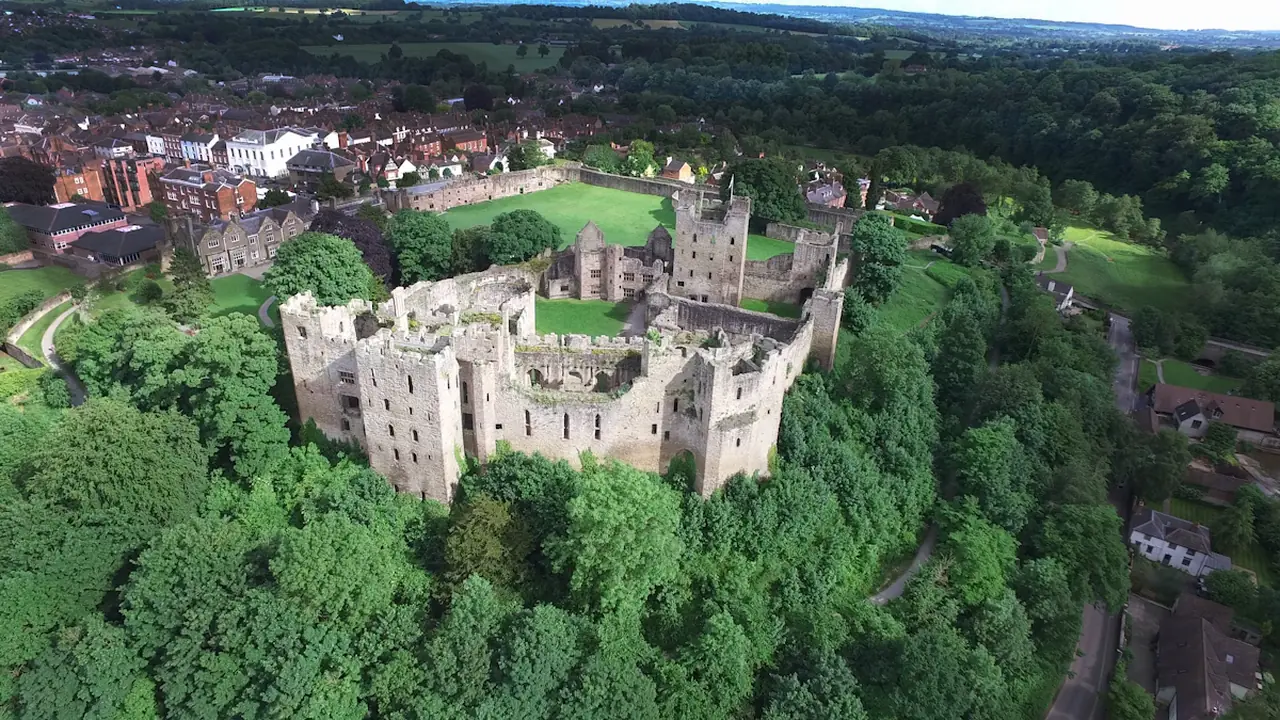
The Battle of Hastings on 14 October 1066 gave William, Duke of Normandy, victory over Harold II and cleared the way for a new bid for England’s crown. The battle was a decisive moment in the Norman Conquest, but it did not make William king that day: he was crowned in December, and the changes to landholding and government unfolded over years.
1066 began with a disputed succession
The battle followed the death of Edward the Confessor, king of England, in January 1066. Harold Godwinson was crowned soon afterward, but William claimed that Edward had promised him the throne and that Harold had sworn to support his claim. These claims formed part of the political dispute; they should not be mistaken for a simple, uncontested succession.
Harold faced more than one challenge. In September, Harald Hardrada of Norway invaded northern England with the support of Harold’s brother Tostig. Harold marched north and defeated them at Stamford Bridge. When William then landed in southern England, Harold’s army had to move south to meet another invasion.
Read also: How the Battle of Hastings Changed England in 1066
Hastings was a turning point in a wider campaign
William’s forces landed in Sussex in late September. Harold’s rapid march south brought the two armies together near Hastings. The battle lasted through 14 October. William’s victory and Harold’s death weakened organized resistance, but they did not amount to an immediate, complete conquest of England.
Britannica records the date and outcome of the battle: William of Normandy defeated Harold II on 14 October 1066. Historic England places the clash within the wider Norman Conquest and highlights its lasting significance. These accounts establish the battle’s importance, while some details of the fighting and its famous later depictions need more caution than a straightforward eyewitness account would allow.
After the battle, William advanced toward London. English leaders eventually accepted him as king, and he was crowned at Westminster Abbey on 25 December 1066. The coronation, not the battle itself, marks the formal beginning of his reign. Resistance continued in parts of England, and William’s authority had to be secured through further military campaigns and political control.
Norman rule changed who held English land
The new regime gradually replaced much of the English elite with Norman lords. Land that had been held by English nobles was transferred to William’s followers, tying local power and wealth to the new king. The change was not an instant, uniform redistribution on the day of the battle; it took place as William’s control expanded and resistance was suppressed.

Landholding mattered because it supported military and political authority. Lords owed service and loyalty to the king, while local communities faced a new ruling class and new demands. English people continued to live and work on the land, but control of many estates and the rewards attached to them shifted toward Norman hands.
Government kept English foundations and added Norman control
The conquest brought new rulers, but William’s government also made use of institutions that already existed. England’s shires, local officials and systems for collecting revenue remained useful to the crown. Norman rule strengthened royal oversight and placed new lords in positions of authority, while adapting parts of the existing administrative structure.
Over time, the ruling elite’s language and culture also changed. French-speaking Normans held high office and land, while English remained widely spoken among the population. The resulting society was neither an unchanged Anglo-Saxon kingdom nor a total replacement of English life: it was a political order reshaped by conquest, with English practices and communities persisting under new leadership.
The Domesday survey, commissioned by William and completed in 1086, later recorded landholding, resources and obligations across much of England. It offers a detailed view of the kingdom under Norman rule two decades after Hastings. Its record helps show how far political control had shifted since 1066, but it is evidence of a later government survey, not a transcript of the battle or an immediate account of the conquest.
From battlefield to Battle Abbey
William founded Battle Abbey near the site of the fighting. Its name preserves the association with Hastings, though the surviving landscape and later traditions cannot by themselves settle every disputed detail about what happened on the battlefield. Historic England’s account provides context for the site and the battle’s place in the Norman Conquest.
The key sequence is clear: Harold fell at Hastings on 14 October; William was crowned in December; and the redistribution of land and consolidation of royal government continued afterward. The next major documentary milestone is the Domesday survey of 1086, which shows the scale of the new order long after the battle had ended.
Source: Encyclopaedia Britannica
Context & actions About this article
Source check Historical context
The account uses Encyclopaedia Britannica for the battle date and outcome and Historic England for the site and its place in the Norman Conquest.
- Battle date: 14 October 1066
- William’s coronation: December 1066
- Domesday survey: completed in 1086
- Source
- Historic England
- Scope
- England
- Updated
- 2026-10-24 09:27
Source check
Report a trust issue
Send a clear signal to community moderation if the source, facts or context need review.




Comments