Trafalgar Day: Why the Royal Navy Remembers 21 October
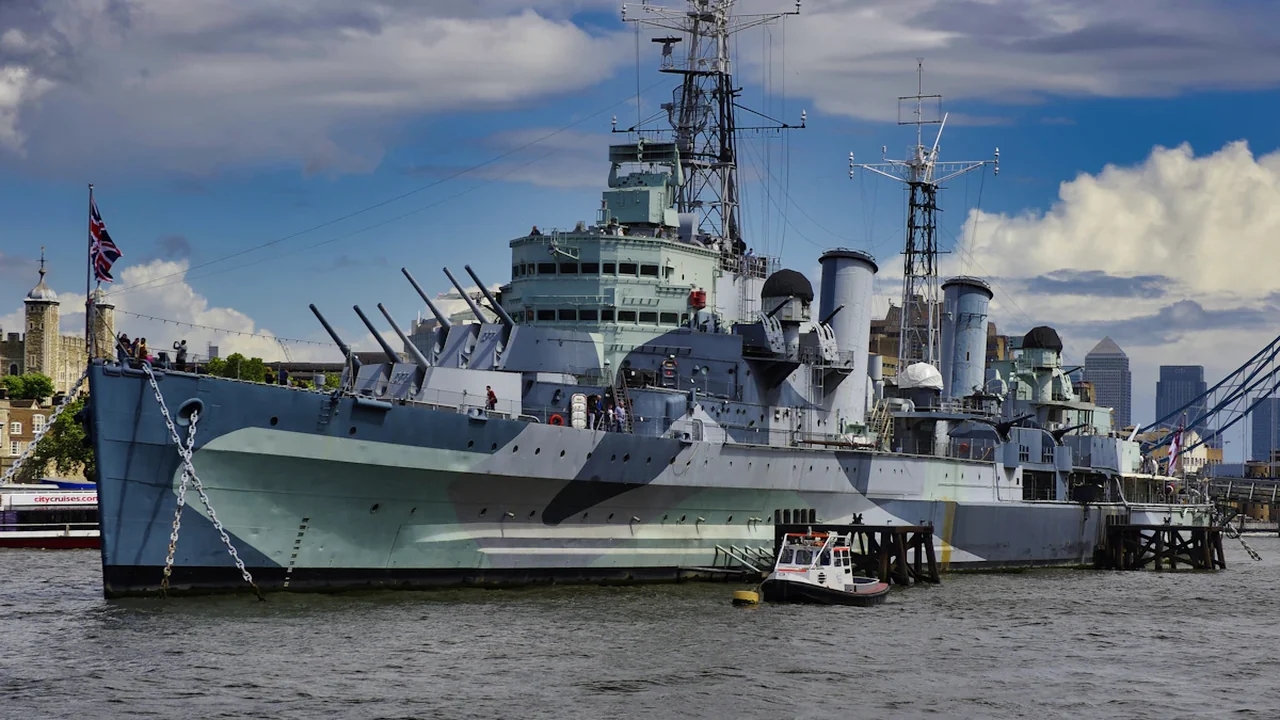
Each 21 October, Trafalgar Day recalls the 1805 Battle of Trafalgar, where Britain’s Royal Navy defeated a combined French and Spanish fleet—and Admiral Horatio Nelson was killed. The anniversary marks a pivotal naval victory, but its meaning also includes the human cost of battle and the way Britain’s memory of empire and warfare has changed. The next milestone is the anniversary itself: 21 October 2026.
21 October 1805: the battle off Cape Trafalgar
The Battle of Trafalgar took place off Cape Trafalgar, on Spain’s Atlantic coast, during the Napoleonic Wars. Royal Museums Greenwich records the date and outcome: the British fleet won against the combined French and Spanish fleets, while Nelson died during the battle.
The result strengthened Britain’s position at sea. It is often remembered as a defining Royal Navy victory, but the battle was fought by crews in wooden ships at close range, amid cannon fire and heavy casualties. Victory did not make the human consequences incidental.
How the fleets met, and what the victory meant
The opposing fleets represented a major contest for control at sea during a period of war with Napoleonic France. Trafalgar became a turning point in British naval history because the victory helped secure British naval dominance for years. That broad legacy should not be mistaken for an end to conflict: the wider wars continued, and the battle’s consequences were borne by sailors on both sides.
Trafalgar’s place in British history is also tied to Nelson’s command and death. His leadership became central to how the victory was remembered, while the losses among the crews remain part of the event’s fuller account. A commemoration that mentions only a celebrated commander or a fleet’s success leaves out the people who fought and died.
Nelson’s death became part of the anniversary
Nelson was killed during the battle. His death gave Trafalgar a personal focus in British public memory: the victory and the loss of its leading admiral became inseparable in accounts of the day.
That focus can make the story seem simpler than it was. Nelson’s role mattered, but the battle was a collective effort involving sailors, officers and ships across the British fleet, as well as the French and Spanish crews who fought against it. Remembering the commander need not obscure those wider human costs.

How Trafalgar Day’s meaning has changed
Trafalgar Day is an anniversary of a naval battle, rather than a description of a single modern ceremony. Its history can be approached through the changing ways Britain has commemorated military service, naval power and national identity. Earlier celebratory accounts often centred on victory and Nelson; a reflective account can also ask what naval dominance meant, who paid its price and how imperial history shapes its legacy.
The battle took place during the era of the British Empire, so its commemoration sits within a wider history of power at sea. That context does not erase the military significance of the victory, but it makes room for a more complete reading than triumph alone. The date can honour those who served while acknowledging that battles bring death and lasting consequences.
Museum collections offer another way to encounter Trafalgar
Royal Museums Greenwich’s collection includes objects and interpretation connected with the Battle of Trafalgar. Such material can place the anniversary in a physical and historical context: a surviving object is evidence of how the battle has been recorded and remembered, not a substitute for the experiences of every person involved.
The museum’s historical account provides the essential anchor for the date, the British victory and Nelson’s death. Together, collection objects and written interpretation help show how a battle becomes part of public memory—and why that memory can be revisited rather than treated as fixed.
The next anniversary falls on 21 October 2026
Trafalgar Day comes around each year on 21 October. In 2026, that date marks 221 years since the battle. The verifiable milestone is the anniversary itself; what it means to commemorate Trafalgar continues to depend on how the victory, Nelson’s death and the costs of war are brought together in public memory.
Source: Royal Museums Greenwich
Context & actions About this article
Source check Historical context
The date, outcome and Nelson’s death are grounded in Royal Museums Greenwich’s history account, with its collection providing related material context.
- Battle date: 21 October 1805
- British victory over the combined French and Spanish fleets
- Nelson died during the battle
- Source
- Royal Museums Greenwich
- Scope
- United Kingdom
- Updated
- 2026-10-15 09:14
Source check
Report a trust issue
Send a clear signal to community moderation if the source, facts or context need review.



Comments