How to Compare UK Petrol Prices With the Cost of a Detour
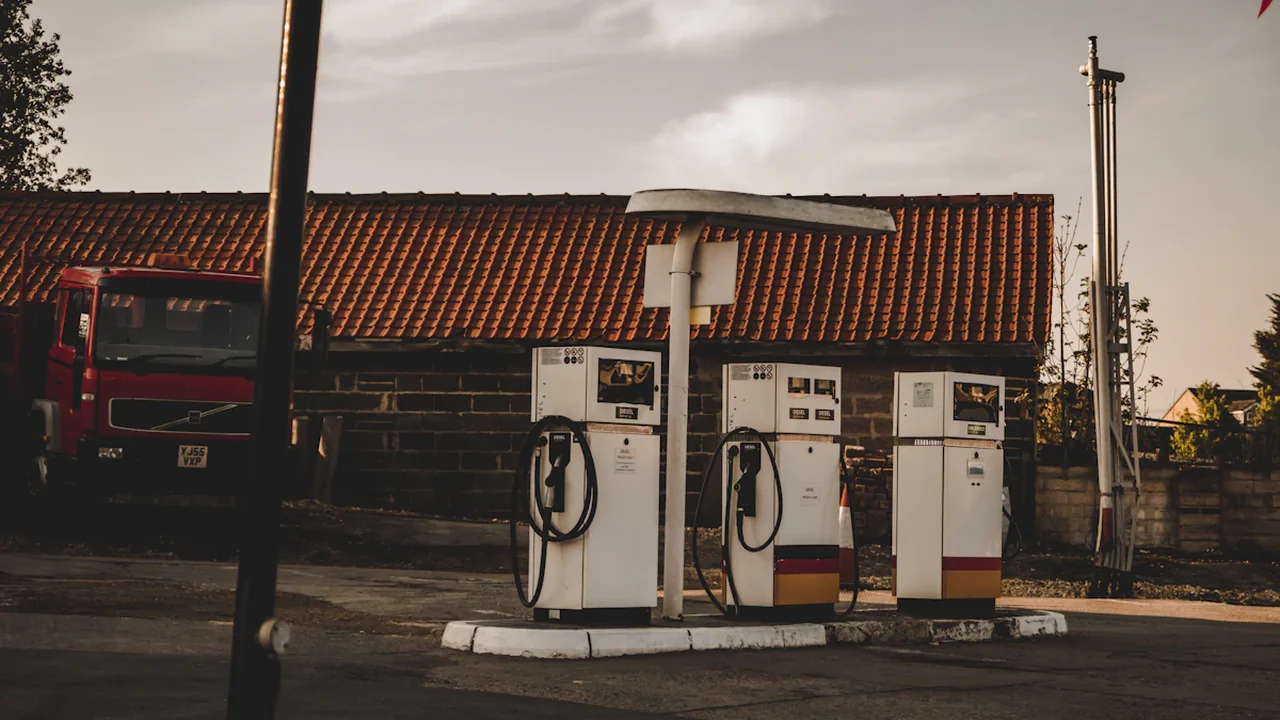
A cheaper pump price only saves you money if the discount is greater than the fuel and time needed to reach that station. To compare fairly, calculate the cost of the litres you plan to buy, then subtract the extra cost of driving to the cheaper forecourt.
Check the latest UK average before comparing
The UK government’s weekly road fuel prices series provides a national reference for petrol and diesel costs. Check its latest published figures before using them: the series is updated weekly, and the figures can help show the broad market level at that point in time.
A national average is not a quote for any particular filling station. Prices can vary between forecourts, and the average cannot tell you what a station near your home or along your route charges. Use it as context, then compare current pump prices for the specific stations you could realistically visit.
Calculate what a fill-up will cost
Multiply the number of litres you expect to buy by the pump price per litre. If you are comparing prices in pence, divide the result by 100 to convert it to pounds.
For example, suppose you plan to buy 40 litres and one station charges 150p per litre. The fuel would cost 6,000p, or £60. At a second station charging 147p per litre, the same fill-up would cost £58.80, a difference of £1.20.
This example uses assumed prices to show the calculation; it is not a report of current UK prices. Your actual cost depends on the price displayed at the pump and how many litres you put in. A smaller top-up also means a smaller saving from a price difference of the same size.
Include fuel and time for the detour
Next, estimate how much extra driving is needed to reach the cheaper station and return to your original route. Use the additional distance, your vehicle’s fuel economy and a suitable fuel price to estimate the detour’s fuel cost.

For instance, if a round trip to the cheaper forecourt adds 10 miles, and your car averages 40 miles per UK gallon, the detour uses about a quarter of a gallon. A UK gallon is 4.546 litres, so that is roughly 1.14 litres of fuel. At an assumed 147p per litre, the extra fuel costs about £1.68.
In this example, the 40-litre fill-up saves £1.20 at the pump, but the extra driving uses about £1.68 of fuel. The detour therefore costs more than the price saving, before allowing for travel time. These are illustrative inputs, not a prediction of any particular journey or forecourt price.
Use this simple comparison:
- Fill-up saving: litres bought × price difference per litre.
- Detour fuel cost: extra litres driven × fuel price per litre.
- Net result: fill-up saving minus detour fuel cost.
If the net result is small, time, traffic, parking or an inconvenient route may outweigh it. You do not need to assign a money value to your time: simply decide whether the remaining cash saving is worth the extra journey to you.
Compare like with like
A useful comparison uses the same planned number of litres at both stations and counts the full extra journey, not just the distance from the main road to the forecourt. Check whether the route adds a return leg, whether you would already be passing the station, and whether traffic could make the trip longer.
The result is a personal estimate, not a guarantee. Your fuel consumption changes with vehicle, speed, load and road conditions. Pump prices can also change, so check the displayed price before setting out. The latest government weekly average can put those local prices in context, but only a current station price and your own route calculation can show whether that particular detour is likely to pay.
Source: UK Department for Energy Security and Net Zero
Context & actions About this article
Source check How to compare
The fill-up and detour figures are examples; check the latest government weekly series and current forecourt prices before deciding.
- Check the latest UK weekly road fuel prices series.
- Confirm the current price at each forecourt.
- Estimate the full extra distance and your vehicle’s fuel use.
- Source
- UK Department for Energy Security and Net Zero
- Scope
- United Kingdom
- Updated
- 2026-10-20 08:28
Source check
Report a trust issue
Send a clear signal to community moderation if the source, facts or context need review.


Comments