How to Compare UK Petrol Prices Before an Autumn Drive

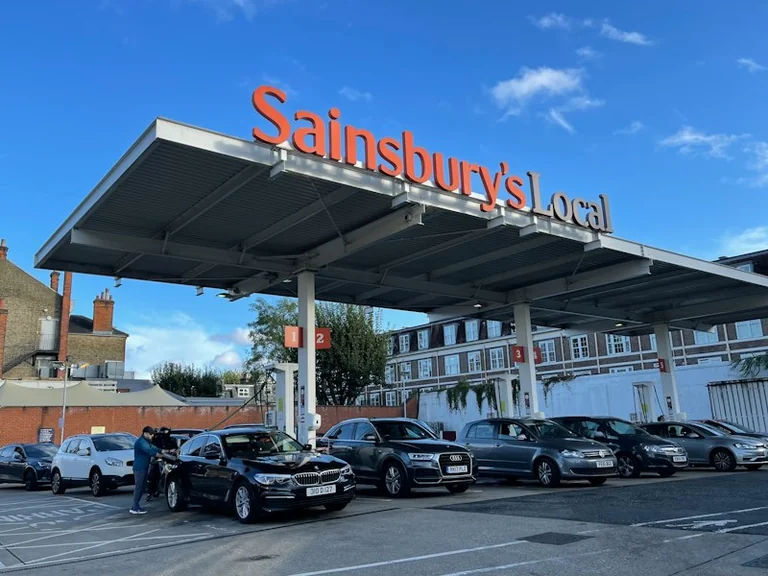
A lower pump price can save money on an autumn drive, but only if it is for the fuel your car uses and the extra journey does not cost more than the saving. Compare nearby forecourts, check whether each figure is for petrol or diesel, then weigh the detour against how much you expect to buy.
Check nearby forecourts shortly before you leave
Fuel prices can differ between stations, so start with forecourts close to your route or destination. Use a current price listing or the station’s own information if available, and check when the price was last updated. Prices can change, and an old listing may not match the pump.
Compare like with like: the same fuel type, the same unit (usually pence per litre), and prices that appear current. If a listing does not clearly say petrol or diesel, look for another source or contact the station rather than guessing.
A quick shortlist of two or three realistic options is usually enough. Include a station you would pass anyway and any nearby alternative that could be reached without a substantial diversion.
Confirm the fuel type before comparing prices
A forecourt listing may show separate prices for petrol and diesel. Make sure you compare the price that matches your vehicle’s fuel. A low diesel price does not help a petrol driver, and vice versa.
Check the vehicle handbook, fuel cap or dashboard information if you are unsure which fuel to use. Do not rely on a station’s headline figure until you have confirmed what it refers to. If the pump price differs from a listing, use the price displayed at the forecourt before filling up.
Include the detour in the total cost
The cheapest price per litre is not always the cheapest fill-up. A diversion uses fuel and takes time, and its cost depends on the route, traffic, vehicle and distance. Compare the extra driving with the likely saving on the amount you plan to buy.
Use this simple calculation:
- Find the price difference per litre between the station on your route and the alternative.
- Multiply that difference by the litres you expect to buy to estimate the saving at the pump.
- Consider the extra distance there and back, including likely traffic and whether the detour adds a separate journey.
- Choose the alternative only if the expected saving is worthwhile after accounting for the added trip.
For example, a small price difference may be outweighed by a long diversion or a short fill-up. A larger planned fill could make the same difference more valuable. Without verified, current prices and distances for your route, there is no reliable worked figure to apply to every driver.
Make a practical comparison before setting off
Before you choose, check:
- The listing’s update time and whether the station is open when you expect to arrive.
- That each price is for the correct fuel and is shown in the same units.
- The extra route distance, not just the distance from your starting point.
- How many litres you are likely to buy; avoid treating a full tank as certain if you only need a top-up.
- Whether the route or traffic has changed enough to make the detour less attractive.
If you are already travelling, do not use a phone while driving. Ask a passenger to check, or pull over safely before looking up prices. A displayed online price is useful for planning, but the pump price at the station is the one to confirm before you refuel.
What the CMA does on road fuel prices
The Competition and Markets Authority (CMA) is the UK authority responsible for promoting competition and protecting consumers. It has published a study of the UK road fuel market and monitors issues around price transparency.
That market context can help explain why clear, comparable prices matter, but it does not tell you which forecourt near your route is cheapest today. For a local decision, use current station-level information and verify the price and fuel type when you arrive.
Recheck the price when your plans change
A price comparison is only useful for the trip and time you checked. If you change route, delay the journey or plan to refuel somewhere different, compare the options again. For a routine autumn drive, a nearby station on your route may be the sensible choice even if another forecourt advertises a lower figure farther away.
Source: UK Government
Context & actions About this article
Source check How to compare
Compare current local prices for the correct fuel, then account for the extra distance and fuel used on a detour.
- Check when a station price was last updated.
- Confirm whether the listing is for petrol or diesel.
- Compare the added journey with the likely saving on your planned fill.
- Source
- Competition and Markets Authority
- Scope
- United Kingdom
- Updated
- 2026-10-25 09:53
Source check
Report a trust issue
Send a clear signal to community moderation if the source, facts or context need review.


Comments