How to Prepare Your Car for Dark, Wet UK Days
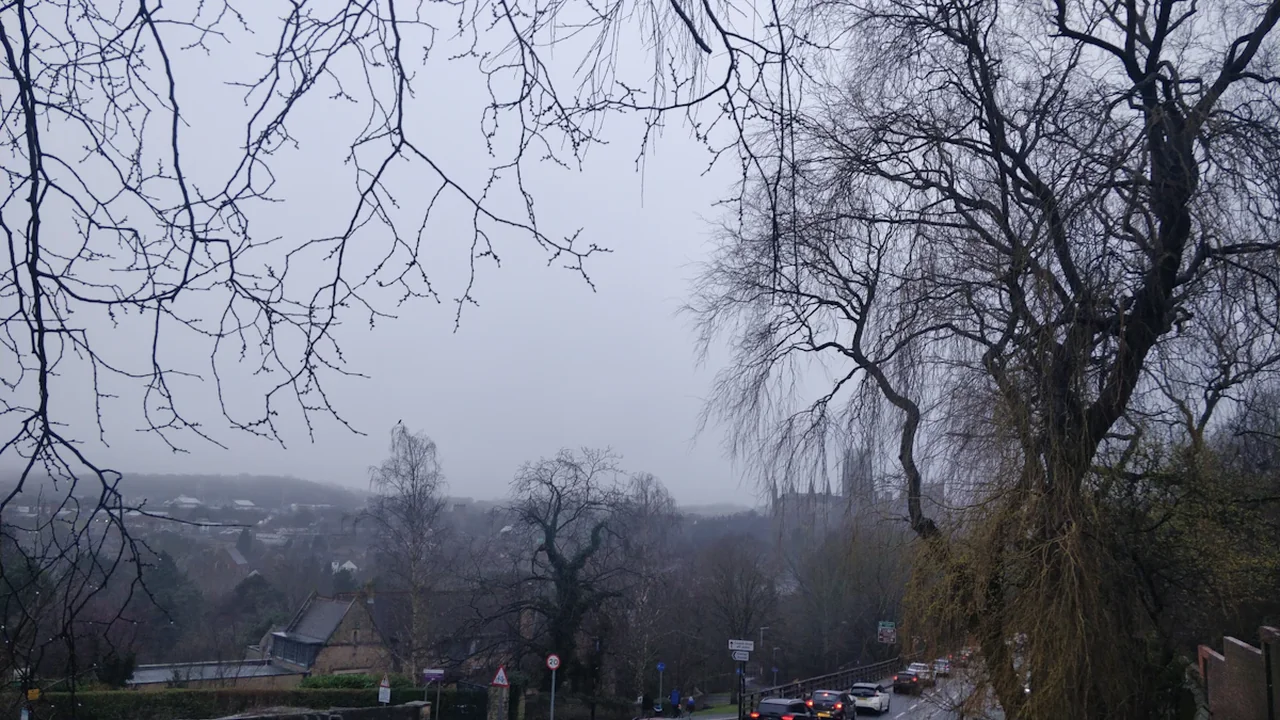
Check your tyres, lights, wipers and screenwash before autumn and winter conditions set in. Wet roads, leaves, standing water and shorter daylight can make it harder to see and take longer to stop, so leave more space and adjust your speed to what the road allows. Before a longer journey, check the Met Office forecast and local road closures; no checklist can make every journey safe in every condition.
Check tyres, lights and wipers before each season
Give your car a walk-around in daylight, then repeat the checks with the lights switched on. Fixing a worn wiper or failed bulb is easier before you need it on a dark, rainy road.
- Tyres: Check tread across the tyre and look for cuts, bulges or objects lodged in the rubber. The legal minimum tread depth for cars in the UK is 1.6 mm across the central three-quarters of the tread, around the full circumference. For wet-weather grip, consider replacing tyres before they reach that limit. Check pressures when tyres are cold, using the vehicle handbook or the pressure label, often found inside a door or fuel flap. Do not use the maximum pressure printed on the tyre sidewall as the recommended setting.
- Lights: Check that headlights, tail lights, brake lights, indicators and number-plate lights work. Clean lenses and replace failed bulbs promptly. Use lights when visibility is seriously reduced; the Highway Code says you must use headlights when visibility is seriously reduced, generally when you cannot see for more than 100 metres.
- Wipers: Look for split, cracked or noisy blades and check that they clear the screen without leaving broad streaks. Replace them if they smear your view, and make sure the rear wiper works if your car has one.
- Washer fluid: Keep the reservoir topped up with screenwash suitable for the season. Plain water can freeze in cold weather and does not clean road grime as effectively. Check that the jets spray onto the windscreen and clear any blockage safely.
Keep the windscreen clear inside and out
A clean windscreen helps reduce glare from headlights and street lighting. Clean the glass inside as well as outside: a film on the inner surface can make glare worse, especially when the screen starts to mist.
Use the car’s demister and ventilation controls to clear condensation before moving off. Air conditioning can help remove moisture from the cabin, even in cool weather. If the screen mists while driving, slow down and pull over somewhere safe if you cannot see clearly; do not try to wipe the windscreen while the car is moving.
Keep windows, mirrors and lights clean, and remove leaves or dirt that could obstruct your view. If your car has driver-assistance cameras or sensors, check the handbook for their locations and keep those areas clear too.
Adapt speed and following distance to wet roads
Rain reduces tyre grip and can make it harder to judge hazards. Wet leaves can be slippery, particularly on bends or under braking, while puddles may hide potholes or deeper water. Standing water can also cause a vehicle to lose contact with the road surface, making steering and braking less effective.
Reduce speed when conditions call for it and leave more space behind the vehicle ahead. The Highway Code advises drivers to allow at least double the usual stopping distance on wet roads. Slow down further when visibility, surface water, leaves or traffic make it harder to stop smoothly. Avoid sudden braking or steering where possible.
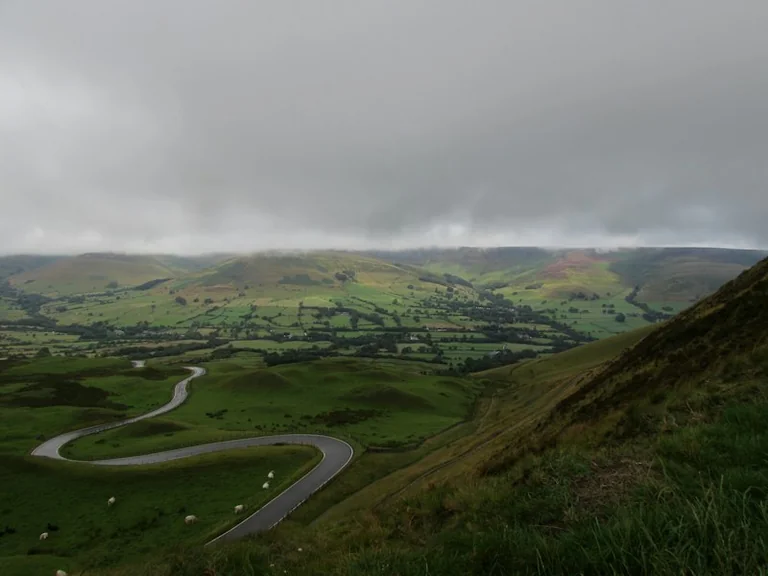
Use dipped headlights when rain or gloom makes it harder for others to see you. In fog, use fog lights only when visibility is seriously reduced, and switch them off when visibility improves. Follow road signs and the Highway Code, and never assume that a familiar route will have the same grip or visibility from one day to the next.
Plan longer journeys around forecasts and closures
Before setting off, check the Met Office forecast for the route and destination, not just the weather where you start. Look for warnings and expected changes in rain, wind, fog or ice. Check local authority or road operator updates for closures, flooding and disruption, and allow extra time if conditions may slow traffic.
If heavy rain or flooding is affecting your route, consider delaying the trip or choosing another route. Do not drive through floodwater if you cannot judge its depth or the road beneath it. Follow closure signs and turn around if a road is blocked; a navigation app may not reflect a recent closure immediately.
Carry a small winter emergency kit
A simple kit can help if a journey is delayed or your car develops a problem. Store items securely so they cannot move around the cabin.
- Warm clothing or a blanket, plus gloves.
- A phone charger and a torch with working batteries.
- Water and any essential medication.
- A high-visibility vest and warning triangle where suitable and permitted.
- An ice scraper and de-icer for cold mornings.
Keep fuel or battery range in mind on longer trips, and make sure you know how to contact roadside assistance. If conditions deteriorate, stop somewhere safe and reassess the journey. Vehicle checks and preparation can help, but they cannot remove the risks of severe weather, poor visibility or unsafe roads.
Source: GOV.UK
Context & actions About this article
Source check Practical guidance
This guide draws on the Highway Code and Met Office seasonal advice; check current forecasts and road information before travelling.
- Review the Highway Code guidance on stopping distances and visibility.
- Check the Met Office forecast and warnings for your route.
- Confirm local closures and travel disruption before departure.
- Source
- The Highway Code
- Scope
- United Kingdom
- Updated
- 2026-10-25 10:45
Source check
Report a trust issue
Send a clear signal to community moderation if the source, facts or context need review.




Comments