Seamus Heaney’s Hope Holds Uncertainty and Responsibility
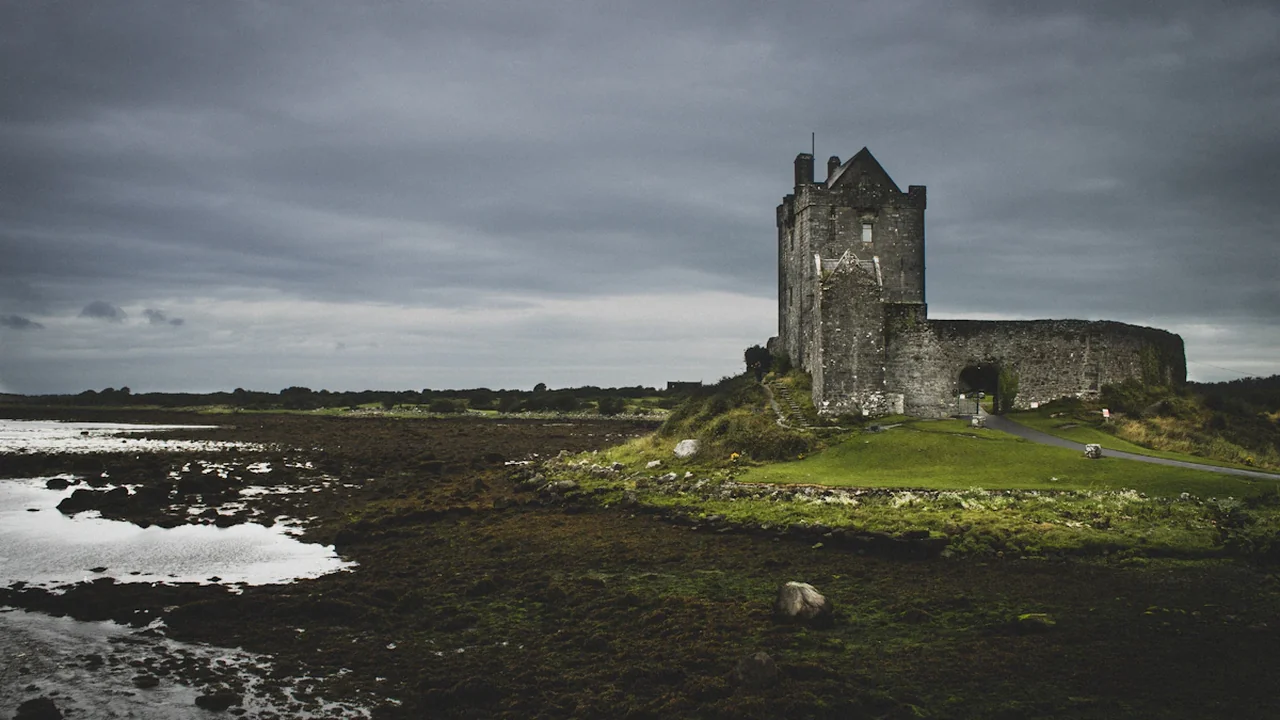
Hope in Seamus Heaney’s poetry is not a promise that events will turn out well. It is a way of staying attentive to life when history, grief or daily uncertainty make easy reassurance feel false. Reading him can offer a quieter practice: notice what is still here, and consider what that asks of us.
Heaney’s Ireland was present in the poems
Heaney was born in 1939 on a farm near Castledawson, County Londonderry, in Northern Ireland. His poems often return to rural work, family memory and the physical details of the landscape. They also speak from a society shaped by political division and violence, especially during the Troubles.
That setting matters. Heaney’s writing can hold affection for a particular place alongside awareness of its painful history. The poems do not ask the reader to choose between tenderness and difficulty. A field, a family story or an inherited word can carry beauty, but also the weight of what has happened there.
Heaney became one of the most widely read Irish poets of his generation, and he received the Nobel Prize in Literature in 1995. Yet his public stature should not make the poems seem like ready-made answers. Their force often comes from the care with which they attend to what is specific: a sound, a tool, a memory, a human cost.
Hope without a guarantee
A hopeful reading of Heaney begins with a distinction: hope is not the same as confidence. Confidence predicts a good outcome; hope can persist without knowing one. In poetry, that persistence may be as small as continuing to listen, to remember accurately or to see another person clearly.
This is why a line taken out of a poem can lose its meaning. A striking phrase may be shared as encouragement, but the poem around it can complicate that comfort. The speaker’s hesitation, the setting and the history all shape what a line can responsibly mean. Heaney’s work rewards reading the whole poem rather than turning one sentence into a slogan.
For a reader facing uncertainty, the poems do not supply a forecast. They can instead make room for two truths at once: that the future is unsettled, and that attention and care still matter in the present. That is a modest form of hope, but not a passive one.
Gratitude and responsibility belong together
Heaney’s close attention to ordinary things invites gratitude without requiring denial. To notice the texture of a familiar place or the labor behind a daily task can deepen appreciation. It does not erase conflict, loss or unequal burdens. In this kind of reading, gratitude is a way of seeing more, not a reason to look away.
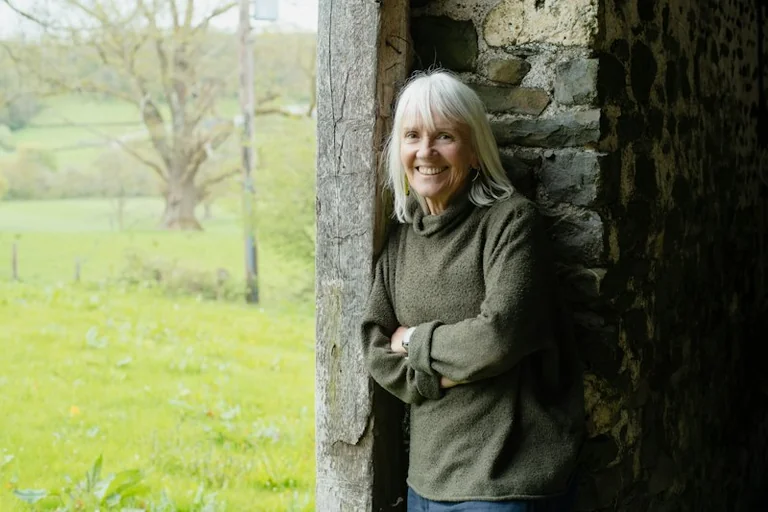
The same attention can lead toward responsibility. Memory asks what should be carried forward; language asks how people and places are described. When a poem brings beauty and violence into the same field of vision, it resists the simplification of either. The reader is left with the work of holding both, and of deciding what an honest response might look like.
That response need not be grand. It could mean checking an assumption, listening to someone whose experience differs from yours, or caring for a place you depend on. Poetry cannot settle public or private questions on its own. It can help a reader notice when a comforting story has left out something important.
A way to read when the future feels unclear
Choose a poem by Heaney and read it once for its concrete details: what can be seen, heard or touched? Read it again for what remains unresolved. Notice where the language becomes certain and where it pauses, shifts or withholds an answer.
Then try these questions:
- What in the poem deserves gratitude without being idealized?
- What history or human cost does the poem ask me to remember?
- What small responsibility follows from seeing this clearly?
A useful place to begin is Opened Ground: Selected Poems 1966–1996, which gathers work from several stages of Heaney’s writing. Readers can also start with an individual poem and follow its images before looking for a message. The aim is not to extract a life rule, but to let the poem complicate what you thought you knew.
Let the poem keep its difficulty
Heaney’s hopeful language is most useful when it does not pretend that uncertainty can be solved by a quotation. A poem may steady a reader by giving careful form to what is difficult to name. It may also sharpen a question or unsettle a simple consolation.
After reading, write down one truthful thought the poem leaves you with. Include what you are grateful for, what remains uncertain and what you feel responsible for. Let the three sit together without forcing them into an easy answer.
Source: Editorial research
Context & actions About this article
Source check Reading context
This piece offers an interpretation of Heaney’s poetry in its Irish context; it does not claim to establish the poet’s private intentions.
- Read the full poem in its published collection
- Notice the poem’s speaker, setting and unresolved details
- Compare the poem with other work from the same period
- Scope
- Ireland
- Updated
- 2026-10-29 10:44
Source check
Report a trust issue
Send a clear signal to community moderation if the source, facts or context need review.


Comments