The Great Storm of 1987: What Happened on 15–16 October

The Great Storm struck the United Kingdom on 15–16 October 1987, bringing destructive winds and widespread disruption. The Met Office’s historical account traces the storm’s development and forecasting context; the episode remains a useful case study in how forecasts, public warnings and preparedness affect people facing severe weather. Its record is historical context, not a forecast of today’s conditions or a direct measure of current climate risk.
15–16 October 1987: the storm’s recorded chronology
The Met Office case study identifies the Great Storm as an event of 15–16 October 1987 and sets it within the meteorological conditions that produced it. The dates matter: this was a specific episode in Britain’s weather history, rather than a general description of autumn storms.
The chronology is also a reminder that severe weather develops over time. Forecasting involves interpreting changing atmospheric conditions and communicating what they may mean. The historical account helps readers understand the event’s sequence, but its details should not be treated as a live forecast.
What the Met Office account says about forecasts and warnings
The storm is often discussed in connection with forecasting and public warnings. The Met Office record provides the historical setting for that discussion: forecasters were assessing a developing weather system, while the public needed information that could support decisions about travel, work and safety.
A useful lesson is that a forecast and a warning serve related but different purposes. A forecast describes expected weather; a warning communicates that hazardous conditions may affect people and places, giving them a reason to prepare. Neither can remove uncertainty, but timely, understandable information can help people make better decisions.
The 1987 account should be read carefully. It is evidence about one storm and the forecasting context recorded by the Met Office. It does not, by itself, establish every detail of how individuals received or acted on warnings, nor does it describe the warning systems or forecast performance of today.
The storm’s impact and why preparedness matters
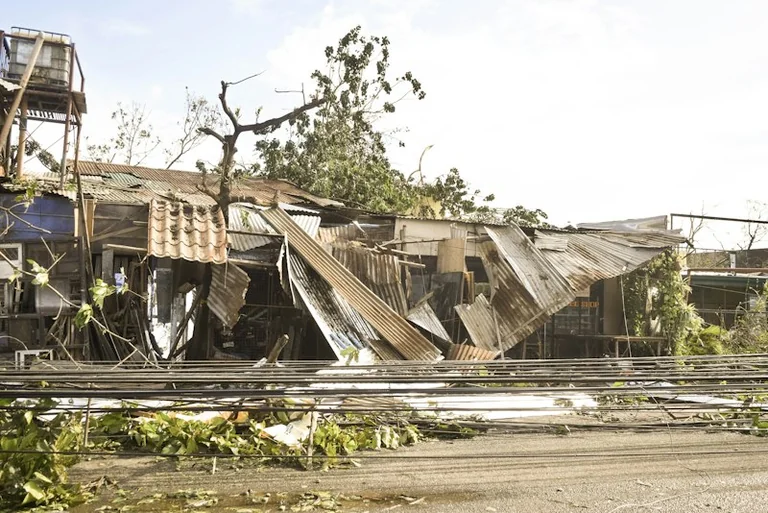
The Great Storm had a broad impact across the United Kingdom, with destructive winds and disruption. For people living through severe weather, the consequences can reach beyond the immediate conditions: journeys may become unsafe, services can be interrupted, and fallen trees or debris can create hazards.
The practical preparedness lessons associated with the event remain straightforward:
- Check current forecasts and official weather warnings before travel or outdoor plans.
- Follow the advice attached to a warning, especially when conditions could make journeys or outdoor activity dangerous.
- Secure or bring inside loose outdoor items when severe winds are forecast.
- Be ready for disruption, and avoid exposed or hazardous areas during dangerous conditions.
These are general steps for severe weather. The Met Office’s historical chronology explains why public information matters; current decisions should be based on current forecasts, warnings and official guidance.
What the 1987 history does not prove about weather today
A historic storm can illustrate the potential consequences of severe weather and the value of preparedness. It cannot tell readers whether a storm is imminent, how likely a particular event is now, or what the current level of climate risk may be. Those questions require up-to-date evidence and analysis, not a single historical example.
The next useful check is therefore the Met Office’s current forecast and warning information for the relevant place and time. The 15–16 October 1987 record remains a historical account of a landmark storm; today’s official updates are what can guide present-day plans.
Source: Met Office
Context & actions About this article
Source check Historical context
This explainer uses the Met Office account of the Great Storm on 15–16 October 1987 and separates that history from present-day weather conditions.
- Event dates: 15–16 October 1987
- Historical account: Met Office case study
- Current conditions require current forecasts and warnings
- Source
- Met Office
- Scope
- United Kingdom
- Updated
- 2026-10-22 09:10
Source check
Report a trust issue
Send a clear signal to community moderation if the source, facts or context need review.


Comments