The Gunpowder Plot and the origins of Bonfire Night
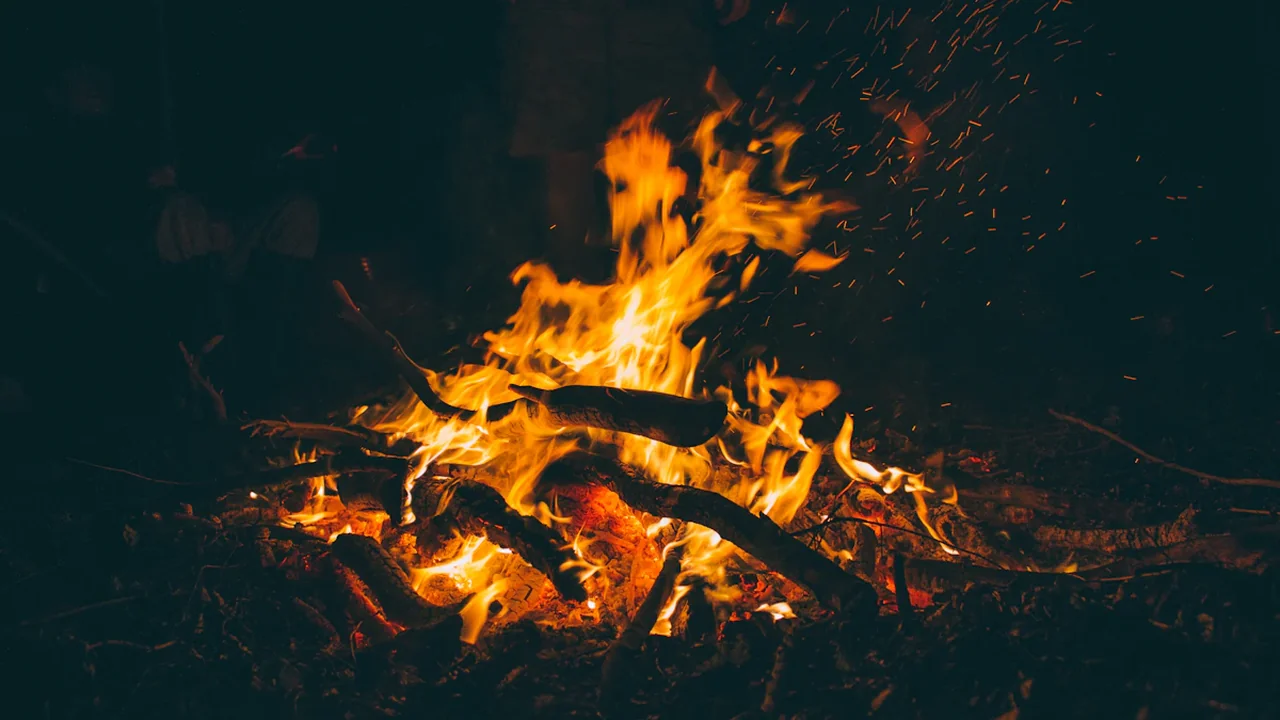
On 5 November, people across Britain mark Bonfire Night with community events, fireworks and bonfires. The date recalls the discovery in 1605 of a plan to blow up the House of Lords during the State Opening of Parliament. As this year’s observance approaches, the key distinction is between that documented plot and the customs that grew around its commemoration later.
What the conspirators planned in 1605
The Gunpowder Plot was a conspiracy to destroy the House of Lords while Parliament was assembled for its State Opening. Guy Fawkes was among the conspirators, but he was not the whole plot: the name refers to the plan involving a wider group. The UK Parliament’s historical account provides the source context for these central details.
The intended target and timing explain why 5 November is tied to Parliament. The plan was directed at the House of Lords during a major parliamentary occasion, rather than being an attack that took place during an ordinary sitting. But it was discovered before it could be carried out, so the date marks the unmasking and failure of the conspiracy, not the destruction of the building.
Read also: The Gunpowder Plot: What Happened on 5 November 1605
How the plot was discovered
Authorities uncovered the conspiracy before the State Opening. Fawkes was found in the cellars beneath the House of Lords with gunpowder. That discovery became central to the date’s place in British public memory and helps explain why Fawkes’s name remains especially prominent in the familiar name Guy Fawkes Night.

The historical sequence is important when describing the tradition: conspirators planned to blow up the House of Lords, the plot was discovered, and the attack did not happen. Later celebrations recall the failed plot, but their familiar sights and activities should not be mistaken for details of the original plan.
How 5 November became Bonfire Night
The annual observance developed from marking the plot’s failure into the varied celebrations now known as Bonfire Night or Guy Fawkes Night. Bonfires and fireworks are later customs, not part of the documented 1605 conspiracy. The connection is commemorative: the date persisted, while the ways people marked it developed over time.
That distinction helps make sense of the two common names. “Guy Fawkes Night” points to a person associated with the discovery; “Bonfire Night” describes a custom associated with later observances. Neither name means that every celebration follows one fixed programme. Some events include a bonfire, a fireworks display or both, while others may mark the date differently.
What to check for a local event
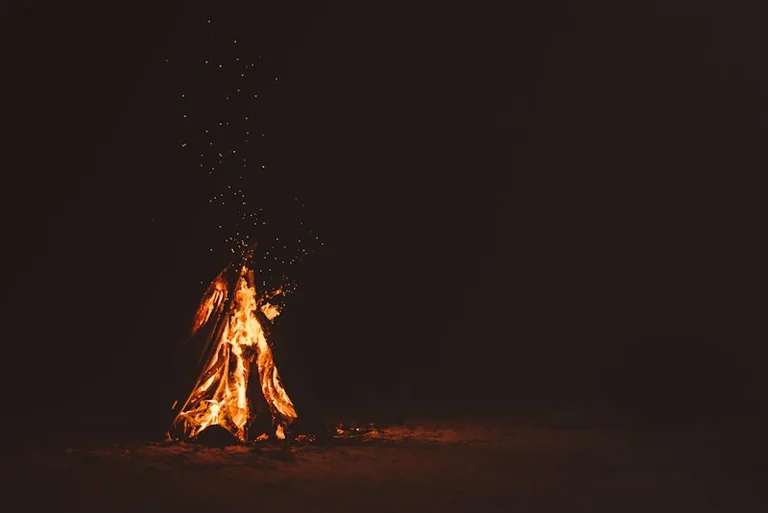
The historical date is fixed, but practical arrangements are set by individual organisers. There is no single programme shared by every town or event, so a general account of Bonfire Night cannot confirm whether a nearby celebration is happening or what its conditions will be.
Before setting out, check the organiser’s current listing or the relevant council’s events page. Confirm the date, start time, venue, ticket or entry arrangements, and any access or transport information directly with the organiser. If a listing is old or unclear, look for a more recent notice. The next useful milestone is the current local announcement for 5 November, which can confirm whether an event is taking place and the arrangements that apply.
Source: UK Parliament
Context & actions About this article
Source check Historical context
The UK Parliament’s historical account supports the core facts about the 1605 conspiracy; bonfires and fireworks are described here as later commemorative customs.
- The plot targeted the House of Lords during the State Opening of Parliament.
- The conspiracy was discovered before it could be carried out.
- Local Bonfire Night arrangements vary by organiser.
- Source
- UK Parliament
- Scope
- United Kingdom
- Updated
- 2026-10-30 09:58
Source check
Report a trust issue
Send a clear signal to community moderation if the source, facts or context need review.


Comments