What to Keep in a Small UK Home Power-Cut Kit
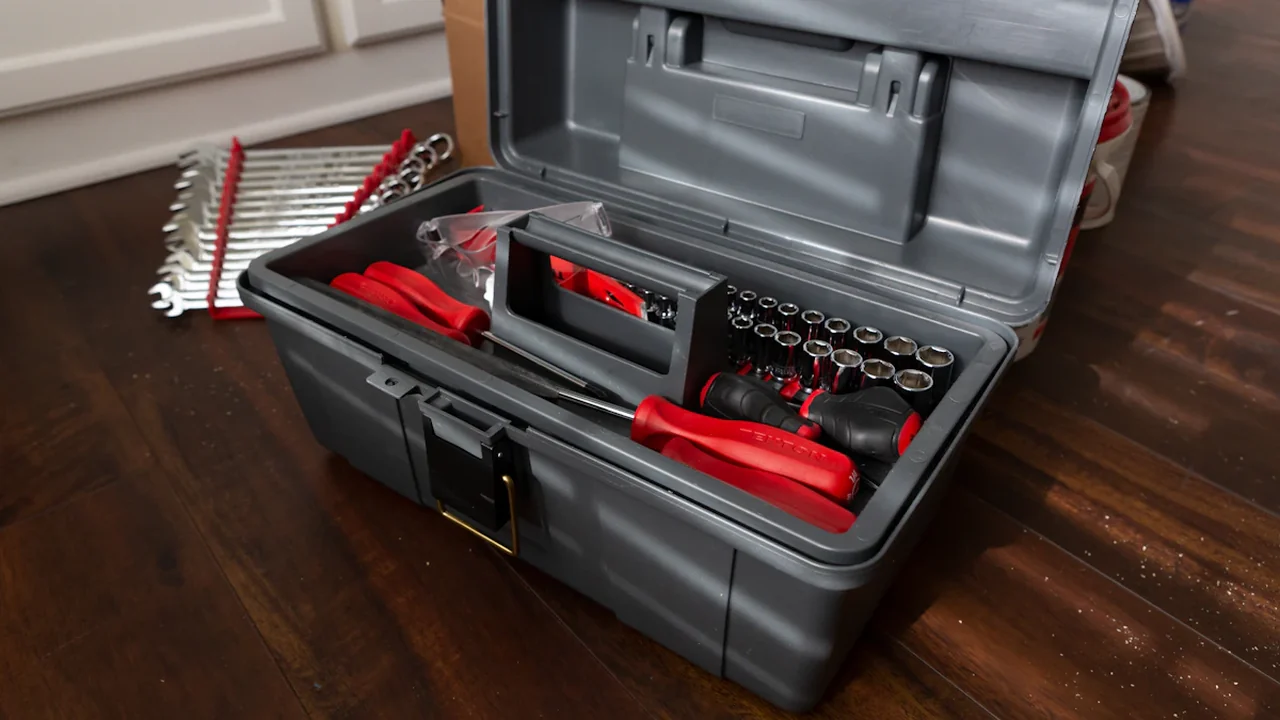
A small power-cut kit can help your household stay safe and manage the first few hours without electricity. Keep a working torch, a charged power bank, essential contact details and any personal medical or mobility supplies together somewhere easy to reach.
Pack the essentials for a short power cut
Choose a small, easy-to-carry box or bag and keep it in a place everyone at home can find. Add:
- A torch for each person, or one torch that is easy to locate. Keep spare batteries nearby if it uses them. A head torch can leave both hands free.
- A charged power bank and the cable that fits your phone. Check its charge periodically and recharge it after use.
- A battery or wind-up radio if you have one, so you can listen to local information if mobile service or internet access is disrupted.
- Essential contact details written on paper: household members, a nearby relative or friend, your electricity network operator and relevant care or medical contacts. Save key numbers in phones too, but keep the paper copy in case a phone runs flat.
- Basic first-aid supplies, any regularly needed glasses, and a small supply of drinking water and ready-to-eat food if your household needs them.
- Warm layers and blankets, especially for children, older people or anyone who may be more affected by a cold home.
Keep the kit away from damp, heat and places where it could block an exit. Tell everyone where it is and how to use the items. Avoid relying on one phone for light, updates and calls: using its torch and screen continuously can drain the battery quickly.
Make a plan for medical and mobility needs
A general kit is only a starting point. Think through what each person needs to stay safe if mains power is unavailable for a while.
- Medicines that need refrigeration: ask a pharmacist or healthcare professional how to store them during a power cut. Do not assume a cool bag or portable fridge will keep medicine at a safe temperature for a particular length of time. Keep the medicine’s packaging and storage instructions accessible.
- Powered medical equipment: identify which equipment needs electricity, how long its battery lasts, and what backup arrangements are available. Contact your healthcare provider or equipment supplier for a plan. If loss of power could put someone in immediate danger, know how to get urgent help.
- Powered mobility equipment: keep chargers accessible and charge batteries according to the manufacturer’s instructions. Consider how the person could move safely if lifts, powered doors or other equipment stop working. Agree who can help and how to contact them.
- Communication needs: write down important contacts and any essential instructions for a carer. Keep a charged phone accessible, and consider whether a text relay or other communication method is needed.
- Children, older people and pets: include their specific essentials, such as suitable food, warm clothing or prescribed supplies.
If someone relies on electricity for medical care, contact their care team and electricity network operator in advance to ask what support or registration options are available in your area. Do not wait for an outage to work out what backup equipment or help is needed.
Use candles and portable heaters carefully
A torch or battery lantern is usually the simplest choice for lighting. If you use candles, place them in a stable holder on a clear, heat-resistant surface, well away from curtains, bedding, children and pets. Keep them attended while lit and extinguish them before leaving the room or going to sleep. Never use a candle to search in cupboards or near flammable materials.

Use a portable heater only if it is designed for indoor use and follow its instructions. Keep it clear of furniture, clothing and other combustible materials; do not cover it or leave it running unattended. Do not use outdoor heaters, barbecues, camping stoves or generators inside the home or in an enclosed space. Fuel-burning devices can produce carbon monoxide, which cannot be seen or smelled. A carbon monoxide alarm is an important safeguard where fuel-burning appliances are used, but it does not make indoor use of outdoor equipment safe.
If you smell gas or suspect carbon monoxide, get everyone outside and follow the relevant emergency advice. Keep exits clear and avoid running extension leads through doorways or under rugs.
Keep the kit ready to use
A kit only helps if its contents still work. Add a simple reminder to check it every few months and after each use:
- Test torches and replace or recharge batteries as needed.
- Recharge the power bank and check that the correct phone cable is packed.
- Replace food, water and medical supplies before their use-by dates, following storage instructions.
- Update paper contact details when numbers or household arrangements change.
- Check that everyone knows where the kit is and who to contact for help.
Keep the kit small enough to carry, then store bulky or person-specific supplies nearby. Your electricity network operator’s website can provide local outage information and contact details; keep its number in the kit before you need it.
Source: Editorial research
Context & actions About this article
Source check Safety note
This checklist focuses on basic household preparation and directs readers to product instructions, healthcare professionals and their electricity network operator for individual advice.
- Ask a pharmacist about medicine storage during an outage.
- Ask care teams or equipment suppliers about backup power for essential equipment.
- Follow the instructions supplied with candles and portable heaters.
- Use the electricity network operator's website for local contact and outage information.
- Scope
- United Kingdom
- Updated
- 2026-10-16 10:35
Source check
Report a trust issue
Send a clear signal to community moderation if the source, facts or context need review.




Comments