How to Cut Household Energy Bills Before a UK Cold Spell
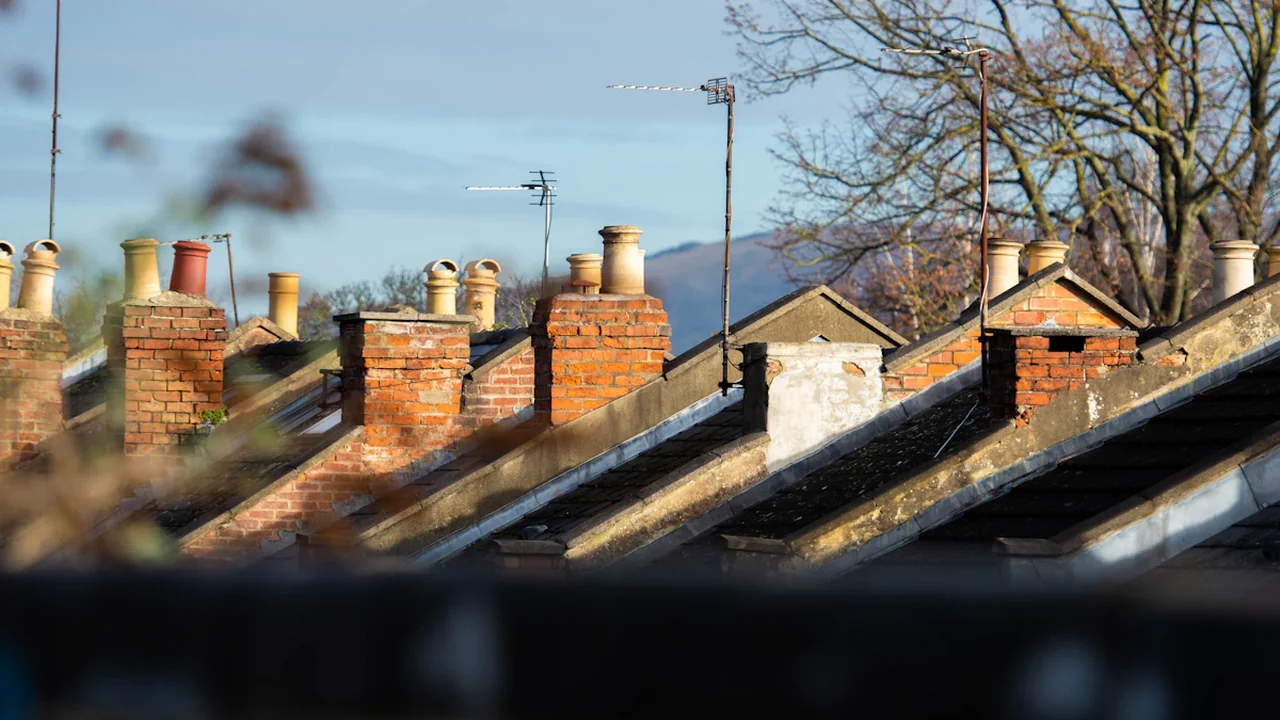
A few checks before the first cold spell can help reduce wasted energy without leaving your home uncomfortably cold. Start with heating controls, draughts and hot water, then tackle insulation or heating faults that need professional advice. If bills are difficult to manage, Citizens Advice can explain support options and Ofgem provides information about energy suppliers and consumer protections.
Set heating controls around your routine
Use your programmer or smart thermostat to heat rooms when you need them, rather than keeping the whole home warm all day. Set a comfortable temperature and adjust the schedule for work, school and bedtime. Turning the thermostat down slightly may reduce use, but comfort and health come first, especially for older people, young children and anyone with a health condition.
If you have thermostatic radiator valves, lower the setting in rooms you use less, while keeping them warm enough to prevent damp or freezing. Keep the main thermostat in a room that reflects the temperature of the home and is not affected by direct sunlight, a draught or a nearby radiator. Check your boiler and thermostat instructions before changing unfamiliar settings.
Stop draughts with low-cost fixes
Check for cold air around external doors, letterboxes, windows and loft hatches. Removable draught excluders and suitable seals can be inexpensive ways to make a room feel warmer. Close curtains at dusk, but keep them clear of radiators so heat can circulate.
Do not block purpose-built ventilation, air bricks, extractor fans or boiler flues. Good ventilation helps control condensation and protects indoor air quality. If you are unsure whether a gap is a draught or a ventilation opening, ask a qualified professional before sealing it.

Get radiators and hot water working efficiently
If a radiator is cold at the top but warm lower down, it may need bleeding. Follow the radiator or heating-system instructions, switch the heating off first and take care around hot water. If you are unsure, or the radiator remains cold, contact a qualified heating engineer.
Keep furniture and long curtains away from radiators. If a radiator is cold across the bottom, makes unusual noises or leaks, bleeding may not solve the problem; a heating professional can diagnose it.
Check the hot-water schedule so it heats water when you need it. If you have a hot-water cylinder, keep its insulation jacket in good condition. Avoid changing boiler temperature or cylinder settings without checking the manufacturer’s guidance: the right setting depends on your system, and hot water must remain safe.
Prioritise insulation in the right order
Simple measures such as insulating an accessible hot-water cylinder or sealing suitable gaps may be lower-cost starting points. Bigger work, including loft, cavity-wall or solid-wall insulation, can cost more and may need a survey, specialist installation or permission if you rent or live in a shared building.

Before paying for work, check whether your home is suitable and whether grants or local schemes are available. Use an appropriately qualified installer for insulation and heating work. Poor installation or sealing the wrong openings can create damp, ventilation or safety problems.
Use smart-meter readings to spot waste
A smart meter and in-home display can show how much energy you are using and help compare one day with another. Take readings before and after changing a heating schedule, then look for patterns such as heating running when nobody is home or hot water reheating more often than expected.
The display shows energy use, not necessarily your final bill. Your tariff, standing charge and billing period also affect what you pay. If readings look wrong or your bill does not match your meter, contact your supplier and keep a note of the readings and dates.
Know when to get help
For boiler faults, gas appliances, electrical work or uncertainty about ventilation, use a suitably qualified professional. Never cover a boiler flue or try to repair gas equipment yourself. If you smell gas, follow the emergency advice for your area and contact the gas emergency service.
If you are struggling with energy costs, contact Citizens Advice for guidance on available support and how to approach your supplier. You can also check whether you qualify for energy bill support. Ofgem sets rules for energy suppliers and publishes information for consumers, but your supplier is the place to ask about your account, meter or payment options.
A quick pre-winter checklist
- Set heating times to match your household routine.
- Check doors and windows for draughts without blocking ventilation.
- Make sure radiators can circulate heat and inspect for cold spots or leaks.
- Review hot-water timing and check cylinder insulation.
- Use smart-meter readings to compare energy use before and after changes.
- Get qualified advice for faults, major insulation work or uncertain settings.
Source: Ofgem
Context & actions About this article
Source check Practical guidance
This guide prioritises routine checks and low-cost steps; follow equipment instructions and use qualified professionals for faults or specialist work.
- Check your boiler, thermostat and radiator instructions before changing settings.
- Keep purpose-built ventilation and boiler flues clear.
- Ask Citizens Advice about support if energy costs are difficult to manage.
- Source
- Ofgem
- Scope
- United Kingdom
- Updated
- 2026-10-10 10:47
Source check
Report a trust issue
Send a clear signal to community moderation if the source, facts or context need review.


Comments