Why Do People Dream About Losing Teeth?

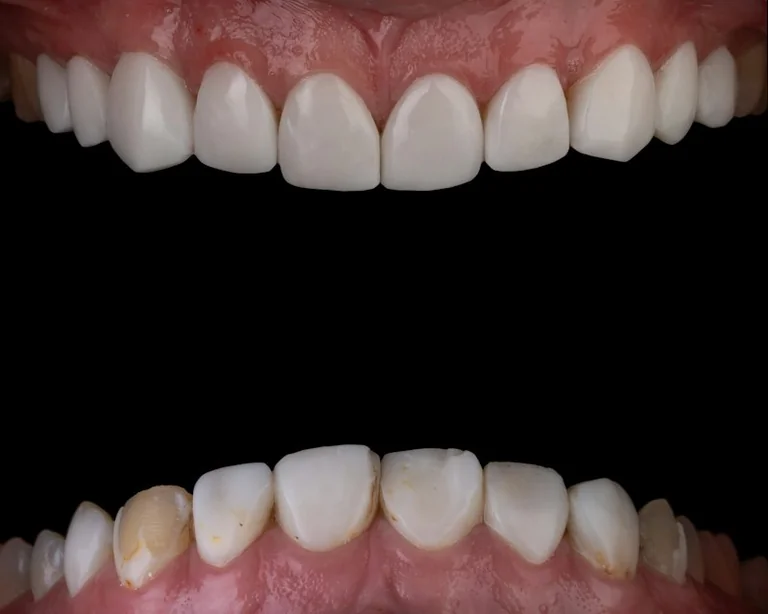
A dream about a tooth falling out can feel vivid and unsettling, but it does not come with a universal explanation. Popular interpretations connect tooth-loss dreams with change, worries about appearance or a sense of control. Everyday experiences, including stress or dental discomfort, may also be worth considering. The image alone cannot tell you that something is wrong or that a particular event is coming.
Tooth-loss dreams have many popular meanings
Interpretation traditions offer different readings of teeth falling out. Some associate the image with change or transition; others connect it with concerns about appearance, communication or control. These are popular interpretations, not established meanings that apply to everyone.
That distinction matters when a dream feels unusually real. A symbolic reading can be a prompt to think about what is on your mind, but it is not evidence of a hidden truth or a prediction. The same dream image may bring up different associations for different people, and it may not have a clear personal meaning at all.
Read also: Falling Dreams: Stress, Change and Personal Meaning
Consider what has been happening while you are awake
Dreams can draw on memories, feelings and details from waking life. If you have been stressed, thinking about a dental appointment or noticing discomfort around your teeth, those experiences may be useful context to consider. They do not prove why the dream happened, and the dream itself cannot diagnose a health issue.
The Sleep Foundation’s overview of dreams provides general background on the topic. It does not establish one meaning for tooth-loss dreams. Keeping that source context in view can help separate a broad discussion of dreams from claims that a particular symbol means the same thing for everyone.
It may help to keep two observations separate: what happened in the dream and what, if anything, you notice while awake. A dream about teeth falling out is not the same as waking dental discomfort. If you have a real symptom, consider it on its own rather than using the dream as an explanation for it.
Use the emotion as a starting point
If you want to reflect on the dream, write down what you remember soon after waking. You do not need to decode every image. Start with the feeling and the situation around it:
- What emotion stood out: fear, embarrassment, relief or something else?
- What was happening in the dream when the tooth or teeth were lost?
- Does that feeling or situation remind you of anything in your waking life?
- Have stress, dental thoughts or discomfort been on your mind lately?
Treat any connection you notice as a possibility, not a conclusion. For example, the emotion may feel familiar even if the dream’s imagery does not point to a particular event. If nothing comes to mind, you do not need to force an explanation. A dream can be vivid and memorable without carrying a clear personal message.
When to seek support for sleep concerns
A vivid dream by itself does not necessarily call for action. If distressing dreams keep returning, cause significant worry or interfere with sleep, you can discuss the pattern with a health professional. Noting how often the dreams occur and whether they affect your rest or daytime life may help you describe what has been happening.
If you notice dental discomfort while awake, consider discussing that separately with a dental professional. The dream is not a substitute for assessing a waking symptom; the useful distinction is between the dream you remember and any discomfort you actually experience.
Source: Sleepfoundation
Context & actions About this article
Source check Source context
The Sleep Foundation source offers general background on dreams; the interpretations here are presented as popular associations, not universal explanations.
- Notice the dream's emotion
- Consider waking-life associations
- Separate symbolic readings from symptoms while awake
- Source
- Sleep Foundation
- Scope
- International
- Updated
- 2026-10-27 10:40
Source check
Report a trust issue
Send a clear signal to community moderation if the source, facts or context need review.



Comments