Why Exam Dreams Can Return Years After School
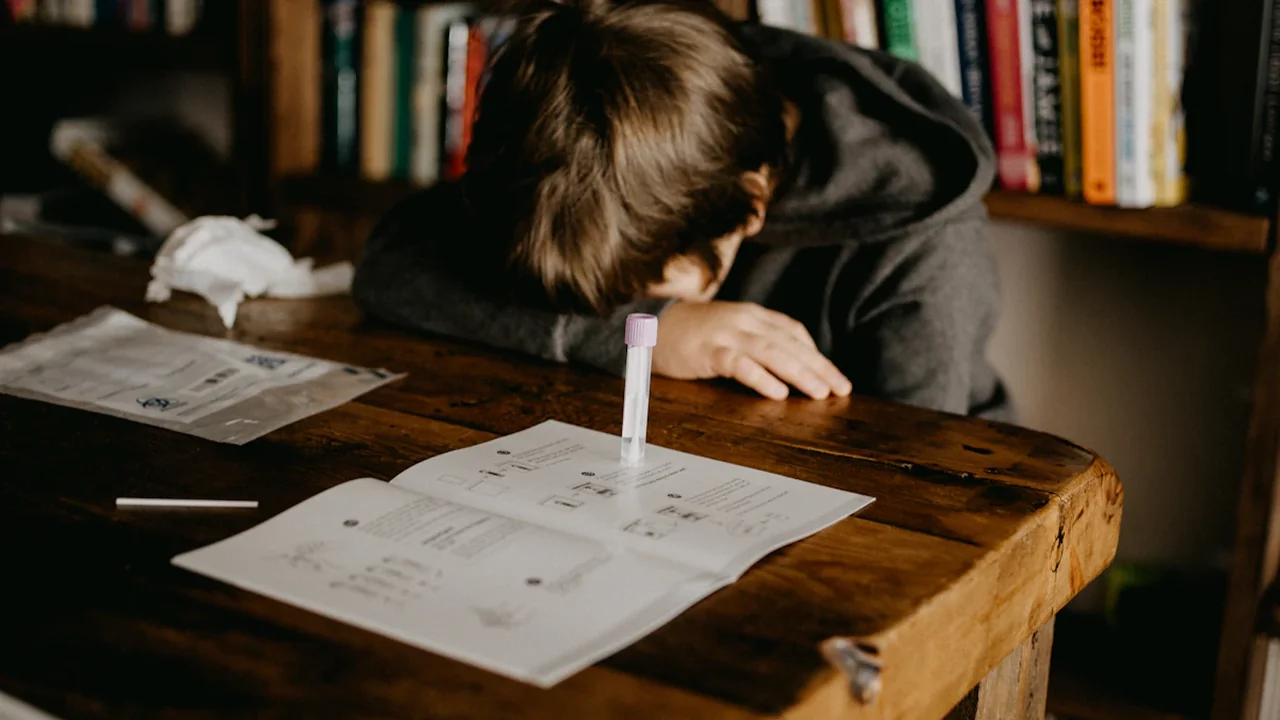
An exam dream years after leaving school can bring back the familiar pressure of a ticking clock, an unfinished paper or a subject you never studied. It does not prove that something is wrong: performance pressure, deadlines and fear of judgement in adult life may echo the emotional shape of school exams.
Dream meanings are personal, not diagnostic. A recurring exam dream can be a useful prompt to notice what feels evaluative or unfinished now, but it cannot identify a cause on its own.
Common exam dream themes and what they may echo
People describe variations on a few recognisable scenes: arriving late, finding the wrong room, facing a paper they have not revised for, or being unable to finish before time is called. Some dream that they have forgotten they were taking a course, even though they left school long ago.
These scenes share a feeling of being assessed with too little time or preparation. That resemblance can make an exam dream feel connected to a current challenge, such as having to prove your ability at work. It is a reflection to explore, not a fixed symbol with one universal meaning. The detail that stands out may be less important than the feeling attached to it: urgency, uncertainty or exposure.
For many people in the UK, school memories have specific details: GCSE or A-level timetables, silent exam halls, invigilators walking between rows, and the instruction to put pens down. Those memories can give a dream its setting long after the original exams have passed. The setting may be familiar even when the pressure belongs to adult life.
Present-day pressures that can bring the school setting back
Work deadlines, an appraisal, a job interview or a difficult conversation can all involve being watched, judged or expected to perform. Caring responsibilities may also create a sense of being tested: you may have to make decisions quickly while feeling that someone depends on you.
A present-day pressure does not have to resemble school in its details. The connection may be the feeling: limited time, high stakes, uncertainty about what is expected, or concern about disappointing someone. A dream may combine that feeling with an old school setting because it is a vivid memory of being assessed.

Sleep and dream experiences are shaped by many factors, and a dream alone cannot establish why you woke or what you are feeling. Treat a possible connection as a question for reflection rather than a psychological test. If no current situation seems to fit, there is no need to force an explanation; the dream may draw on an old memory, or its meaning may remain unclear.
Trace the dream to a current evaluative pressure
Try a short reflection after waking, or later when you have time. Write down only the details you remember, then consider what in your present life has a similar emotional texture. You do not need to interpret every image. The practical aim is to see whether the dream points you towards a pressure you can clarify or address.
- Name the pressure: Is there a deadline, appraisal, interview, exam, presentation or caregiving decision coming up?
- Identify the judgement: Who do you feel is assessing the outcome, and what do you fear they might conclude?
- Check the preparation gap: Do you need clearer expectations, more time, information or support?
- Notice the feeling: Was the strongest part of the dream panic, embarrassment, confusion, urgency or fear of letting someone down?
- Choose one small next step: Clarify a deadline, ask what an appraisal will cover, practise an interview answer or share a caregiving task where possible.
Keep the next step modest and tied to what you identified. For example, if uncertainty about expectations was strongest, asking for clarification may be more useful than simply trying to work longer. This exercise cannot tell you what the dream means, but it can turn a vague sense of pressure into a question you can act on.
When a recurring dream deserves more attention
A recurring dream is not automatically a sign of a mental health condition. But if disturbing dreams are frequent, disrupt sleep or leave you distressed during the day, consider discussing the effects with a GP or another qualified health professional. They can help you consider the wider picture rather than infer a diagnosis from dream content.
A calm bedtime routine and a consistent sleep schedule may support sleep for some people, though they cannot guarantee that a particular dream will stop. If the dream returns, note what was happening in your life and how it affected you; patterns may be easier to see over time than from one night.
Source: Editorial research
Context & actions About this article
Source check About dream meanings
Dream scenes do not have a single proven meaning, so use this reflection as a prompt rather than a diagnosis.
- Consider current deadlines or situations where you feel assessed.
- Notice whether the dream affects your sleep or daytime wellbeing.
- Seek qualified help if distress or sleep disruption persists.
- Scope
- United Kingdom
- Updated
- 2026-10-13 09:25
Source check
Report a trust issue
Send a clear signal to community moderation if the source, facts or context need review.




Comments