Dreams About Missing a Train and the Pressure of Time

Dreams about missing a train can leave you with the feeling that time ran out just as something important was within reach. The image may connect with everyday pressure, a transition or a worry about letting someone down, but it does not have one fixed meaning—and it cannot predict what will happen. Your own feelings and circumstances are a more useful place to start than a universal dream dictionary.
Why a missed train can feel so urgent
A train follows a schedule and a route, so missing it can make a dream feel like a clear moment of lost opportunity. That symbolism may resonate when your days are organized around deadlines, appointments or other people’s expectations. It is a possible association, not proof that you are behind in life.
The emotion in the dream matters. Panic might echo a sense of being rushed; frustration could reflect obstacles or a lack of control; relief may suggest that the journey itself felt unwanted. The same image can mean different things to different people, and even to the same person at different times.
Dreams can draw on memories, concerns and stray details from waking life. There is no reliable one-to-one code that turns a particular scene into a definitive message. Treat an interpretation as a question to consider, rather than a fact about your mind.
Deadlines, transitions and fear of disappointing others
If a deadline or major decision is occupying your attention, the dream’s timetable might feel familiar. Think about whether you have been trying to meet a work commitment, complete a personal task or keep several responsibilities moving at once. The useful connection is the one that fits your present life—not a rule that every missed train represents a missed chance.
Train journeys can also bring to mind transitions: leaving one place, entering another or moving along a route shared with other people. A dream about missing the departure might prompt reflection on a change you are approaching, postponing or unsure about. It does not establish that a transition is good, bad or inevitable.
Other people in the scene can offer another angle. Were you travelling with someone, expected at a destination, or worried about making another person wait? If so, the dream may feel connected to responsibility or fear of disappointing someone. That is a possible prompt for reflection, not evidence that you have failed them.
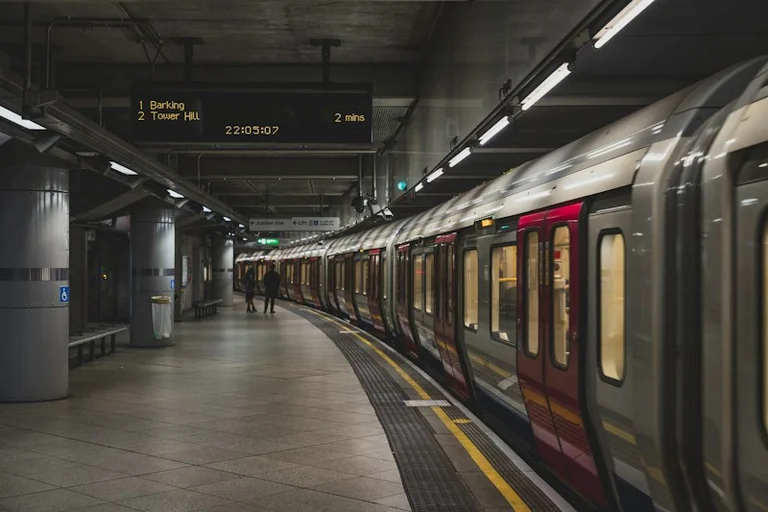
Notice what the dream leaves out
Instead of looking for a single symbolic answer, pay attention to the details that felt personal. Was the station familiar or strange? Did you know where the train was going? Could you see it leave, or were you unable to find the platform? A crowded station, a confusing sign or a calm reaction can change the emotional shape of the dream.
Cultural associations with trains differ, too. For some people, a train suggests a shared, scheduled journey; for others, it may recall a specific trip, a family member or a place they have lived. Personal memories can be more relevant than a general interpretation. Ask what trains mean to you before borrowing someone else’s symbolism.
A short journalling exercise for a missed-train dream
Write for five minutes soon after waking, without trying to explain the dream as you go. Divide the page into three notes:
- Emotion: What did you feel before, during and after missing the train? Choose specific words such as urgency, embarrassment, anger, relief or confusion.
- Setting: What do you remember about the station, the route, the people with you and what happened when the train left?
- Current context: What in your life right now has a deadline, a change of direction or another person’s expectations attached to it?
Then ask: “What is one small, practical thing I can do about the real-life pressure I noticed?” It might be clarifying a deadline, asking someone what they expect or setting aside time to think about a decision. If no connection feels right, leave the dream as an interesting experience rather than forcing a meaning onto it.
Use the dream as a prompt, not a verdict
A missed-train dream is not a diagnosis, a prediction or a dependable sign that you have missed your chance. You can use it to notice what has been on your mind, while remembering that dreams can be vivid and unsettling without carrying a specific message. If distressing dreams recur and affect your sleep or daily life, consider discussing that impact with a qualified health professional.
Source: Editorial research
Context & actions About this article
Source check How to read this
Dream imagery has no single established meaning; use personal associations and current circumstances as prompts for reflection.
- Notice the emotion in the dream
- Connect details only when they fit your current life
- Do not treat the dream as a diagnosis or prediction
- Scope
- International
- Updated
- 2026-10-14 08:42
Source check
Report a trust issue
Send a clear signal to community moderation if the source, facts or context need review.




Comments