How to Compare Local UK Petrol and Diesel Prices
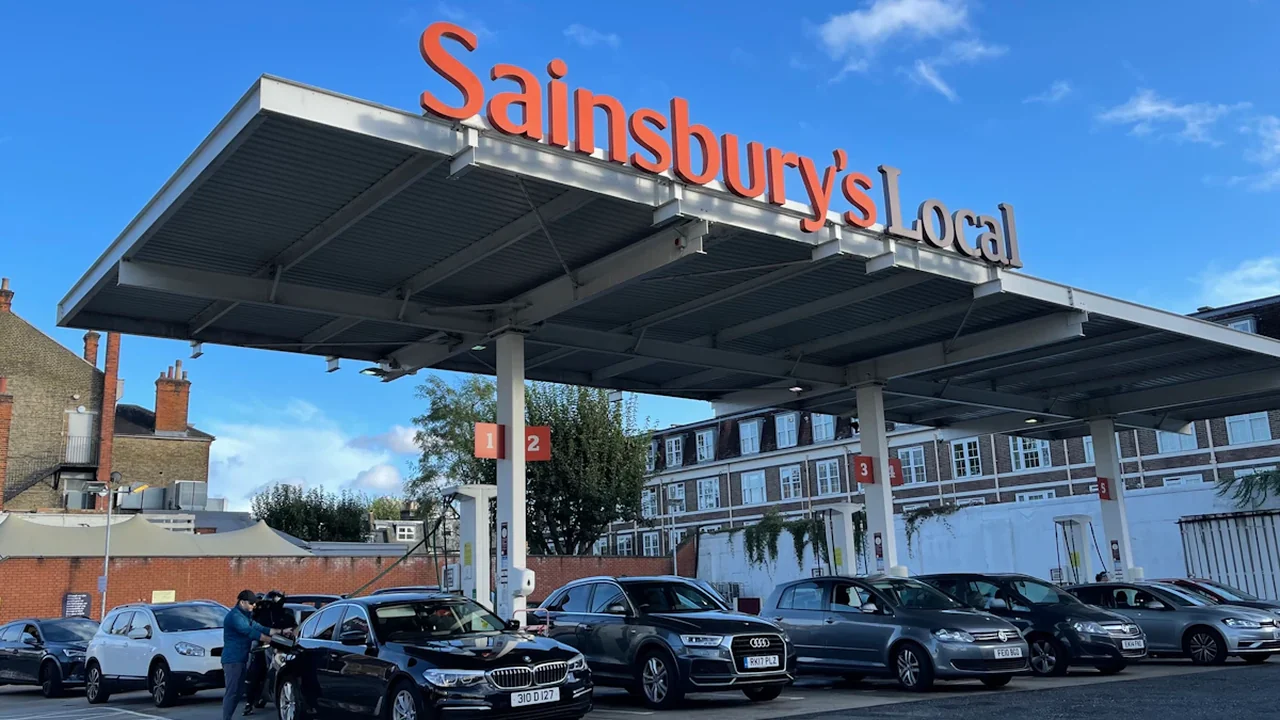
A nearby forecourt is competitive only if its price is lower for the fuel your vehicle uses and the saving is greater than any extra cost of driving there. Use the UK Government’s fuel finder to check nearby stations, then treat national price statistics as context rather than a promise about what a particular pump will charge.
Check nearby forecourts and national trends
The UK Government fuel finder helps drivers locate prices at nearby petrol stations. Check the listed station, fuel type and price before setting out, and remember that prices can change. A listing is a useful comparison point, not a guarantee that the price will still be available when you arrive.
For wider context, the Department for Energy Security and Net Zero publishes UK road fuel price statistics in a collection that includes associated releases. The Competition and Markets Authority (CMA) also publishes road fuel price data. These sources help show how local prices sit against broader patterns; a national average does not tell you what every station in your area charges.
Use the figures to frame a decision, not to predict a specific pump price. Check the publication date of any statistic you use, and avoid relying on an undated average as if it were today’s price.
Compare the same fuel at the same time
Start with the fuel your vehicle takes. Compare petrol with petrol of the relevant grade, or diesel with diesel. A lower petrol price does not help a driver who needs diesel, and comparing different grades can give a misleading result.
Then compare stations that are practical options for the same journey. Look at the listed price per litre, how far each station is from your route, and whether the price information is recent. If the service shows a station’s fuel price, check that it matches the product you plan to buy.
A simple comparison is:

- Choose the fuel type and grade you need.
- Check nearby listings in the fuel finder.
- Compare the same fuel across stations you could realistically visit.
- Check the distance and the likely extra driving for each option.
- Recheck the listing before making a special trip.
The cheapest number on screen may not be the cheapest choice once the journey is included. If the lower-priced station is already on your route, the detour cost may be negligible. If it requires a separate drive, include that cost before deciding.
Work out whether a detour pays
Estimate the extra distance for the round trip, then estimate the fuel used on that distance. Multiply the extra litres by a reasonable fuel cost per litre for your car. Compare that detour cost with the saving on the fuel you intend to buy.
For example, suppose a driver plans to buy 40 litres and finds a station that is 3p per litre cheaper. The expected saving is £1.20: 40 litres multiplied by £0.03. If reaching that forecourt and returning adds a 10-mile detour, the fuel used for the detour could cost more than £1.20, depending on the car’s efficiency and the fuel price. In that case, the lower pump price may not reduce the total cost of the trip.
This is an estimate, not a precise calculation. Traffic, the route, driving style and vehicle efficiency affect how much fuel the detour uses. Include only the extra distance caused by choosing that station; do not count miles you would drive anyway.
Make the choice fit your next journey
A useful rule is to prefer a cheaper station that is already convenient, or one where the price gap is large enough to cover the extra journey. For a small top-up, even a noticeable price difference may amount to only a modest saving. A larger fill-up makes each penny per litre difference more valuable, but the detour still has a cost.
Before you set off, check the station and price again in the fuel finder. If the listing is missing, unclear or no longer current, use another nearby option rather than assuming the national average applies there. The right comparison is the price for your fuel at a reachable forecourt, weighed against the extra distance needed to get it.
Source: UK Government, Department for Energy Security and Net Zero
Context & actions About this article
Source check How to compare
This guide uses UK Government fuel-finder and road fuel statistics as starting points; listed and national prices may not match the price at a particular pump.
- Compare the same fuel type and grade.
- Check the station listing before travelling.
- Include the extra round-trip distance in the calculation.
- Check the date on national statistics.
- Source
- UK Government fuel finder
- Scope
- United Kingdom
- Updated
- 2026-10-19 09:22
Source check
Report a trust issue
Send a clear signal to community moderation if the source, facts or context need review.



Comments