Make a Small UK Garden Useful Through Autumn and Winter
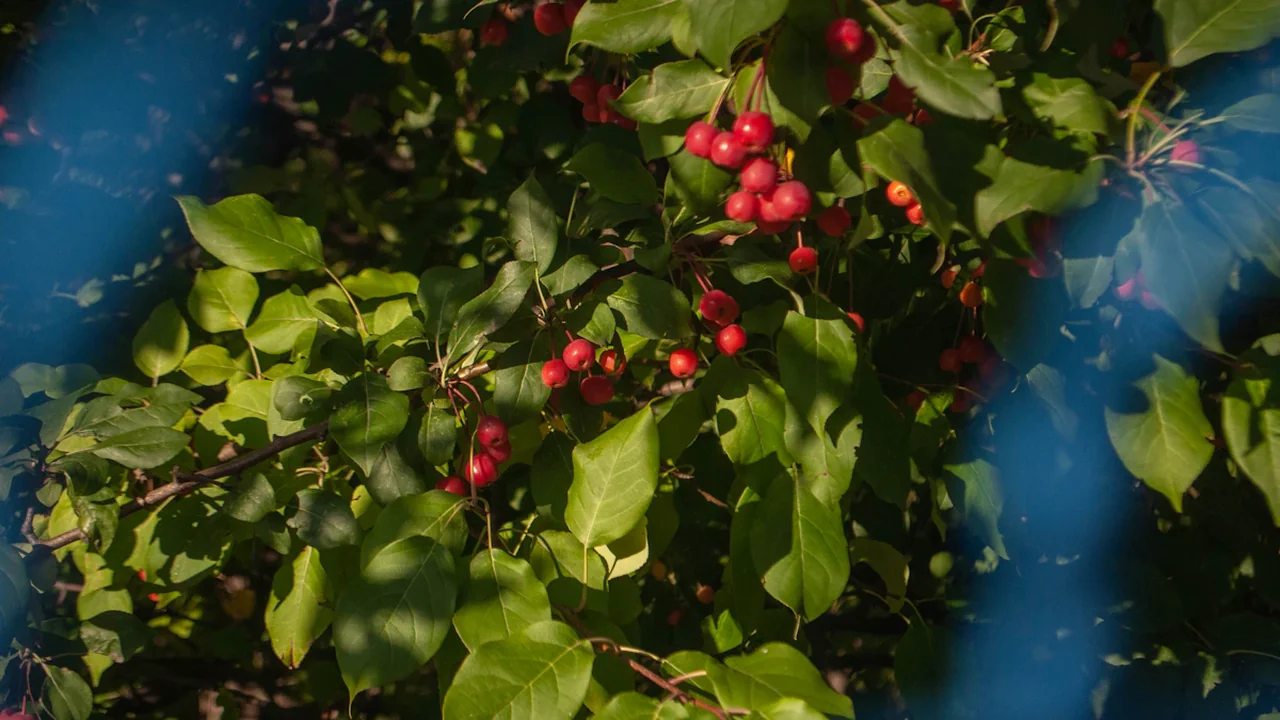
A small garden, balcony or rented patio can stay useful through autumn and winter with a few practical changes: clear water routes, secure exposed pots and choose containers and plants suited to your space. First frost arrives at different times across the UK and varies from year to year, so check your local forecast before deciding what needs protection.
Clear leaves and check where rainwater goes
Fallen leaves can make a small outdoor space feel cosy, but a thick layer can block drains, cover low plants and become slippery underfoot. Sweep paths and paving regularly, then move leaves away from drain openings. Healthy leaves can be composted or gathered into a separate pile to break down into leaf mould.
Check accessible drain grates at ground level and remove loose debris by hand. If a drain remains blocked, or water is backing up, contact your landlord or a qualified professional rather than dismantling fittings. Gutters and roofs can be hazardous to reach: use a ground-level view to spot obvious overflow and arrange appropriate help for work at height.
Choose containers that can drain and stay steady
Waterlogged compost can damage roots, while a pot that tips in a gust can break or injure someone. Before winter, check that every container has drainage holes and that they are not sitting flat against a surface that seals them. Raise pots slightly on pot feet or small blocks where water pools beneath them.
For a balcony or exposed corner, favour sturdy, heavier containers and place them where a wall or railing offers some shelter without obstructing access. Avoid overcrowding a narrow walkway. If you use a saucer to protect paving, empty it after rain so the pot does not stand in water.
Container material and size affect how quickly compost cools and dries. Small pots generally need closer attention than larger ones. Grouping containers can reduce exposure, but leave enough room to check each plant and allow air to move around foliage.
Protect vulnerable pots when frost is forecast
Plants in containers are more exposed to cold than plants in the ground because their roots have less surrounding soil for insulation. The right action depends on the plant, pot and local conditions; check the plant’s care guidance and the forecast for your area rather than relying on a fixed first-frost date.
When a cold spell is expected, move tender pots to a sheltered spot, such as close to a house wall or into a suitable unheated porch. If a pot cannot be moved, wrapping the container in horticultural fleece or another breathable insulating material can help protect the root area. Keep any covering from pressing heavily on foliage, and uncover plants when the cold spell passes if their care instructions call for it.
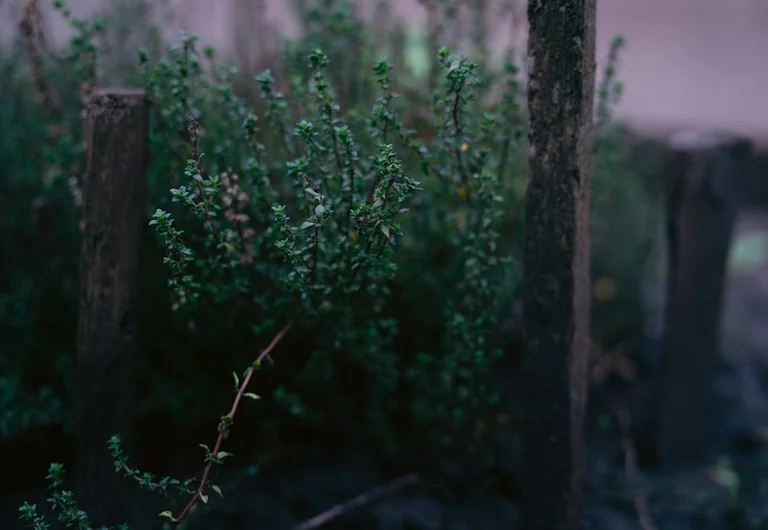
Continue checking compost moisture. Rain may reach some pots but not those tucked beneath an overhang; water when the compost is drying and conditions allow it to drain. Avoid watering frozen compost or leaving containers in standing water.
Plan hardy planting around your own conditions
There is no single list of plants that suits every UK garden. A sheltered south-facing balcony, a windy coastal patio and a shaded courtyard can have very different light, exposure and winter moisture. Check the plant label or reliable growing guidance for its hardiness, mature size and preferred conditions before buying.
For small spaces, look for plants described as suitable for containers and compatible with the light available. Compact evergreen shrubs, hardy herbs or seasonal bulbs may be options, depending on your site and the specific variety. A plant that thrives in a protected spot may struggle in an exposed pot, so start with one or two containers and observe how they cope.
Use containers with enough room for the plant’s roots and choose a compost appropriate to the plant. Leave space around foliage for airflow, and remove damaged or diseased leaves as needed. If you are unsure about a variety, the Royal Horticultural Society’s plant guidance can help you check its needs before planting.
Keep a rented garden easy to care for
Renters and people who may move can make seasonal improvements without permanent changes. Freestanding pots, lightweight planters and movable trays can add planting while keeping paving accessible. Use pot feet to improve drainage, and choose containers you can lift or relocate safely.
Before attaching anything to a wall, railing or fence, check your tenancy terms and ask the landlord if needed. Keep shared paths, drains and exits clear. For a balcony, consider the weight of filled containers and any building rules; spread pots across an appropriate area rather than concentrating heavy items at the edge.
A simple autumn routine is enough to start: sweep leaves away from drains, check pot holes and stability, note which containers need shelter, and look up the local forecast when temperatures are expected to fall. Recheck after heavy rain or a windy day, when blocked outlets and shifted pots are easiest to spot.
Source: Rhs
Context & actions About this article
Source check Gardening guidance
Advice is general because frost, exposure and growing conditions vary by location, year and plant.
- Check your local forecast for frost
- Read care guidance for the specific plant variety
- Confirm tenancy and building rules before attaching fixtures
- Source
- Royal Horticultural Society
- Scope
- United Kingdom
- Updated
- 2026-10-23 10:34
Source check
Report a trust issue
Send a clear signal to community moderation if the source, facts or context need review.



Comments